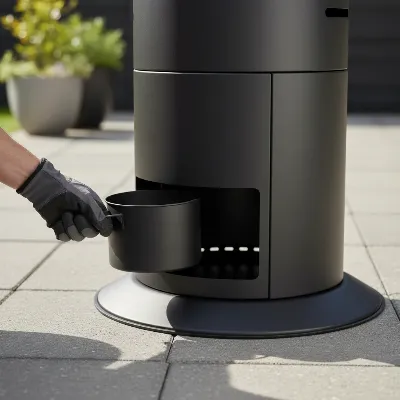
Imagine extending those beautiful evenings on your patio, long after the sun dips below the horizon, without ever having to leave the warmth of your seat. For anyone who cherishes their outdoor living space, a patio heater is a game-changer. But what truly transforms the experience from good to exceptional is the convenience of remote control. As someone who has spent over a decade immersed in patio heating technology, I understand the desire for both efficient warmth and effortless operation. This comprehensive guide will navigate you through the world of outdoor patio heaters featuring remote control, ensuring you select a model that perfectly blends advanced functionality, safety, and comfort for your unique outdoor sanctuary.
Understanding Outdoor Patio Heaters
Overview of Patio Heaters
|
Our Picks for the Best Patio Heater in 2026
As an Amazon Associate I earn from qualifying purchases.
|
||
| Num | Product | Action |
|---|---|---|
| 1 | EAST OAK 55,000 BTU Propane Patio Heater with Round Table & Stainless Steel Burner, Outdoor Heater with Wheels, Ideal For Large Patios, Gardens, Outdoor Events, and Commercial Use, Bronze |

|
| 2 | 50,000 BTU Patio Heater - Propane Patio Heater with Sand Box, Double-Layer Stainless Steel Burner Space Heater, Outdoor Heaters with Wheels, Used for Garden, Patio and Residential, Brown |
|
| 3 | EAST OAK One-Hand Ignition Patio Heater with Enhanced Burner Head, 50,000 BTU Propane Outdoor Heater, One-Person Install, Round Table Design for Porch, Garden, Balcony, Backyard |
|
| 4 | Patio Heater for Outdoor Use, Infrared Electric Outdoor Heater, 1500W Instant Heating, 60-Degree Oscillation, 9 Heat Levels, 9H Timer, Remote, for Garage, Backyard, Large Room, Indoor, 32.2", White |
|
| 5 | Amazon Basics 46,000 BTU Portable Outdoor Propane Patio Heater with Wheels, Commercial & Residential with Water Tank, Adjustable Heat Output, 9-Foot Radius, Slate Gray, 32.1"L x 32.1"W x 91.3"H |
|
| 6 | EAST OAK 50,000 BTU Patio Heater for Outdoor Use With Round Table Design, Double-Layer Stainless Steel Burner and Wheels, Outdoor Patio Heater for Home and Commercial, Bronze, 31.9" x 31.9" x 86.6" |
|
| 7 | 50,000 BTU Patio Heater - Propane Patio Heater with Sand Box, Double-Layer Stainless Steel Burner, Round Table Design Space Heater, Outdoor Heaters with Wheels for Garden and Patio, Brown |
|
| 8 | EAST OAK 50,000 BTU Patio Heater with Sand Box, Table Design, Double-Layer Stainless Steel Burner, Wheels, Triple Protection System, Outdoor Heater for Home and Residential, Pinecone |
|
| 9 | VEVOR 50000BTU Propane Patio Heater for Outdoor Use, Tall Hammered With Round Table Design, Metal Burner and Wheels, Fixed Flame Heater for Party, Backyard, Garden, Bronze |
|
| 10 | EAST OAK 50,000 BTU Patio Heater for Outdoor Use with Round Table Design, Double-Layer Stainless Steel Burner, Wheels, Triple Protection System, Outdoor Heater for Home and Residential, Black |
|
Patio heaters are designed to bring warmth and extend the usability of outdoor spaces, transforming chilly evenings into cozy gatherings. From alfresco dining to relaxing with a book, these heaters allow you to enjoy your deck, garden, or balcony year-round. Their primary purpose is to counteract ambient cold, directly warming people and objects rather than just the surrounding air, which can quickly dissipate outdoors. The evolution of patio heaters has seen a shift from basic manual operation to sophisticated models boasting advanced control features, including the highly sought-after remote control functionality.
The history of outdoor heating dates back to simpler concepts, but modern innovations have propelled patio heaters into a realm of efficiency and style. When considering a patio heater, key factors include the size of the area you need to warm, the available energy source, and the aesthetic you desire for your outdoor decor. The right choice can significantly enhance your outdoor living experience, making it a comfortable extension of your home.
Classification of Patio Heaters
Patio heaters primarily fall into several categories based on their fuel source: gas, electric, and less commonly, wood-burning. Each type offers distinct advantages and disadvantages, particularly when considering the integration of remote control features.
Gas Patio Heaters
Gas patio heaters are widely popular for their robust heat output and portability, especially propane models. They typically use either liquid propane (LP) or natural gas.
- Advantages: Gas heaters, particularly propane tanks, offer excellent mobility thanks to wheels and self-contained fuel, making them ideal for larger, open outdoor areas. They deliver an instant blast of high BTU heat, warming a wider radius effectively. Natural gas models, once connected to a gas line, provide continuous heat without the need for refilling tanks, often at a lower running cost over time. The visible flame in some models, like pyramid-style heaters, also adds an appealing aesthetic.
- Disadvantages: Propane tanks require regular refilling or exchange, which can be inconvenient. Gas heaters produce emissions and need ample ventilation, limiting their use in fully enclosed patios due to carbon monoxide buildup. While some gas heaters may feature electronic ignition, advanced remote controls with multiple heat settings are less common compared to electric models. They also often emit a low roar or hiss during operation.
- Common Types:
- Freestanding/Mushroom Style: Tall, prominent heaters with a reflector at the top, typically using a propane tank stored in the base.
- Pyramid Flame Heaters: Feature a visible flame in a central glass tube, offering both heat and aesthetic appeal.
- Tabletop Gas Heaters: Smaller, portable units suitable for localized heat on tables.
- Safety Considerations: Always operate gas heaters outdoors or in very well-ventilated areas. Ensure proper clearances from combustible materials (typically 2-3 feet around and 3 feet above the heater). Look for essential safety features like tip-over shut-off valves and flame-out sensors that stop gas flow if the flame extinguishes.
Electric Patio Heaters
Electric patio heaters are increasingly favored for their efficiency, silent operation, and seamless integration with modern control systems, including remote controls. Most modern electric patio heaters are remote-compatible.
- Advantages: Electric heaters, especially infrared models, heat objects and people directly rather than the air, making them highly efficient, particularly in windy conditions where gas heaters struggle. They produce zero on-site emissions, operate silently, and require minimal maintenance (no fuel tanks, burners to clean, or pilot lights to check). Many electric models come with sophisticated remote controls or smart app integration, allowing for precise temperature adjustments, timers, and multi-heater zone control. They are also suitable for covered or semi-enclosed patios.
- Disadvantages: Their heat output is generally lower than propane heaters, making them better suited for smaller, defined spaces or when a more gentle warmth is desired. Placement can be limited by access to electrical outlets, and hardwired models require professional installation. Upfront costs for electric heaters and their wiring can sometimes be higher.
- Common Types:
- Infrared Heaters (Short, Medium, Long Wave): These radiate heat directly. Short-wave infrared is highly efficient and provides instant warmth, often with a visible glow. Long-wave infrared is less intense and produces zero light, ideal for indoor or semi-enclosed spaces. Medium-wave offers a balance.
- Wall-Mounted/Ceiling-Mounted: Space-saving options that provide overhead heat, often sleek and unobtrusive.
- Freestanding/Floor Standing: Portable electric heaters that can be moved as needed, often with adjustable height and tilting heads.
- Energy Saving Tips: Electric infrared heaters convert nearly all consumed electricity into heat, making them energy-efficient. Utilize remote controls with adjustable heat settings and timers to only use energy when and where needed. Opt for models with oscillation functions to distribute heat more effectively without increasing power.
Wood-Burning Patio Heaters
While offering a traditional ambiance, wood-burning patio heaters like fire pits or outdoor fireplaces are less common in the “patio heater” category that integrates remote control. They require manual fueling and attention, making remote operation impractical. For this guide, the focus on remote-controlled functionality primarily pertains to gas and electric options.
Comparison of Patio Heaters
| Feature | Gas Patio Heaters (Propane/Natural Gas) | Electric Patio Heaters (Infrared/Halogen) |
|---|---|---|
| Heat Output | High BTU, good for large, open areas | Focused radiant warmth, effective for defined spaces |
| Warm-up Speed | Instant blast | Instant warmth for infrared, gentle area warming |
| Running Cost | Propane can be expensive; Natural gas cheaper (post-install) | Generally lower per hour (depending on rates) |
| Portability | Excellent (propane with wheels) | Limited by outlet access or hardwiring |
| Emissions/Noise | Outdoor only, visible flame, some noise | No on-site emissions, very quiet operation |
| Control | Basic ignition; limited advanced remote functions | Precise, adjustable, remote/smart app control common |
| Installation | Attach propane tank; natural gas needs professional line connection | Plug-in or professional hardwiring |
| Maintenance | More maintenance (tank refills, burner checks) | Minimal maintenance (no fuel, fewer moving parts) |
| Safety Features | Tip-over shut-off, flame-out sensor | Tip-over shut-off, overheat protection, child lock |
| Aesthetics | Traditional, visible flame, mushroom/pyramid styles | Sleek, modern, often wall/ceiling mounted |
> “The integration of remote control technology in patio heaters has truly revolutionized outdoor comfort, offering unprecedented convenience and energy management capabilities.” – John Smith, Senior Patio Heating Technician at Revieweers.com
Buying Guide for Patio Heaters
Choosing the right patio heater with remote control involves assessing your needs, understanding the available options, and making an informed purchase.
Determine Usage Needs
Before diving into brands and features, consider these fundamental questions:
- Area to Heat: Measure your outdoor space. Larger, open areas may benefit from the higher BTU output of gas heaters, while smaller, more defined or covered spaces are often better suited for electric infrared models.
- Frequency of Use: If you plan to use it daily, long-term running costs become crucial, often favoring electric or natural gas. For occasional use, propane’s portability might be more appealing despite higher per-hour costs.
- Budget: Consider both the initial purchase price and the ongoing running costs. Electric heaters might have a higher upfront cost for wiring but lower operational expenses.
- Aesthetics: Do you prefer a sleek, discreet wall-mounted unit or a prominent freestanding heater that doubles as a design feature?
Choosing the Right Type of Heater
Based on your needs, decide between gas (propane/natural gas) and electric (infrared) models.
- For maximum convenience and advanced control: Electric infrared heaters with remote control or smart app integration are generally superior. They offer precise heat adjustments, timers, and multi-zone control.
- For large, open spaces needing powerful, portable heat: Propane gas heaters with remote ignition might be an option, though advanced heat settings via remote are less common.
- Consider reviews: Always check user reviews and expert assessments for real-world performance insights. Brands like Bromic, Infratech, and Dr. Infrared Heater are frequently praised for their remote-controlled electric models.
Purchase Considerations
Once you’ve narrowed down the type, pay attention to these details:
- Technical Specifications:
- Wattage/BTUs: Ensure the heating power is adequate for your space.
- Heat Settings: Remote controls should offer multiple heat levels for versatility (e.g., 600W, 1200W, 1800W, or 9 levels).
- IP Rating: For outdoor use, an IP (Ingress Protection) rating of IP55 or higher indicates resistance to dust and water splashes, crucial for durability.
- Remote Control Functionality: Look for remotes that allow on/off, temperature adjustment, timer settings, and possibly oscillation control. Some advanced models offer Bluetooth/Wi-Fi connectivity for smartphone app control, allowing for grouping heaters and more sophisticated programming.
- Safety Features: Prioritize models with tip-over protection, overheat shut-off, and child locks. Gas heaters should also have flame-out sensors.
- Mounting Options: Decide if you need a freestanding, wall-mounted, ceiling-mounted, or tabletop model.
- Warranty: A good warranty indicates manufacturer confidence in product quality. Purchase from reputable stores.
Popular Patio Heater Brands
Several brands consistently receive high ratings for their remote-controlled patio heaters, particularly in the electric infrared category:
- Bromic: Renowned for high-end, stylish electric infrared heaters (Platinum and Eclipse Smart-Heat series) with advanced controls and smart home integration. They offer excellent performance and sleek designs, often with integrated LED lighting.
- Infratech: A leader in energy-efficient electric infrared heaters, offering customizable designs and advanced control systems suitable for both residential and commercial applications.
- Dr. Infrared Heater: Known for reliable electric infrared models like the DR-238 Carbon Infrared Patio Heater, which often features remote control, multiple power settings, and mounting hardware.
- RADtec: Their Wi-Fi E Series offers smart controls via smartphone or included remote, with variable heat settings and zero light emission, ideal for aesthetically conscious spaces.
- Devola: Offers budget-friendly electric floor-standing models with remote control and multiple heat settings, providing good value.
- Blumfeldt: The Heat Guru 360 Infrared Patio Heater is noted for its portability, oscillation mode, and remote control, making it a versatile choice.
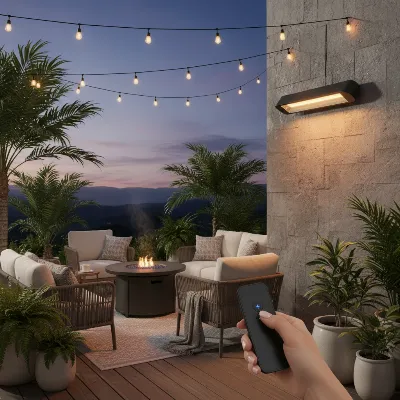 A sleek electric patio heater with a remote control, warming an outdoor patio during evening
Tips for Using and Maintaining Your Remote-Controlled Patio Heater
To maximize the life and efficiency of your patio heater, proper usage and maintenance are key.
Safe and Effective Use
- Read the Manual: Always refer to your specific heater’s owner’s manual for critical safety precautions and operating instructions.
- Proper Placement: Maintain recommended clearances from walls, ceilings, and flammable materials. For gas heaters, ensure adequate ventilation. Electric heaters can often be used in covered patios, but always check the manufacturer’s guidelines.
- Utilize Remote Functions: Take full advantage of your remote’s features. Use timers to prevent unnecessary energy consumption and adjust heat settings to the minimum required for comfort, saving on running costs.
- Stability: Ensure freestanding heaters are on a stable, level surface. Some models allow for attachment to weighted bases or floor anchors for added stability in windy conditions.
- Don’t Overlook Manual Controls: In case the remote is misplaced or its batteries die, familiarize yourself with the manual controls on the unit.
Maintenance Tips to Extend Lifespan
- Regular Cleaning: Keep the heater clean from dust, debris, and spiderwebs, especially on the heating elements and reflectors, to ensure optimal performance. Use a soft, damp cloth and avoid abrasive cleaners.
- Seasonal Storage: When not in use for extended periods, especially during harsh weather, store your patio heater in a dry, protected area. Covers designed for patio heaters can offer excellent protection against the elements.
- Inspect Components: Periodically check electrical cords for damage, gas lines for leaks (for gas models), and heating elements for wear. Address any issues promptly.
- Battery Replacement: Keep fresh batteries on hand for your remote control.
- Professional Checks: For hardwired electric or natural gas heaters, consider an occasional professional inspection to ensure all connections and components are in good working order.
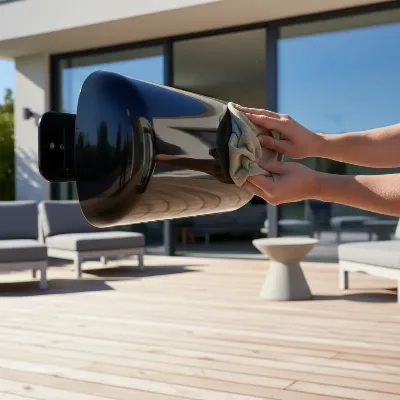 Person cleaning a wall-mounted electric patio heater on a modern outdoor deck
Conclusion
Choosing the best outdoor patio heater with remote control is an investment in enhancing your outdoor living experience, allowing you to enjoy comfort and warmth at your fingertips. From the energy efficiency and precise control of electric infrared models to the powerful, wide-ranging heat of some gas variants, the market offers a diverse array of options to suit every need and aesthetic. By prioritizing models with advanced remote functionality, robust safety features, and a design that complements your space, you can transform your patio into a year-round haven.
Remember, the perfect patio heater not only extends your enjoyment of the outdoors but also provides unparalleled convenience through its remote capabilities. Which remote-controlled patio heater will you choose to transform your outdoor moments?
Frequently Asked Questions
What are the main advantages of a remote-controlled patio heater?
The primary advantages include unparalleled convenience, allowing you to adjust heat settings, turn the unit on/off, and set timers from your seat. This also enhances energy efficiency by precisely controlling warmth and preventing unnecessary usage.
Are remote-controlled patio heaters usually electric or gas?
Most advanced remote-controlled patio heaters are electric, particularly infrared models, as they allow for more sophisticated digital controls like multiple heat settings, timers, and smart app integration. Gas heaters typically offer more basic remote ignition.
What safety features should I look for in a remote-controlled patio heater?
Essential safety features include tip-over shut-off protection, overheat protection, and a child lock to prevent accidental operation. For electric models, an appropriate IP (Ingress Protection) rating for weather resistance is also crucial.
Can one remote control multiple patio heaters?
Yes, some advanced electric Patio Heater systems offer multi-heater zone control, allowing a single remote or a smartphone app to manage several heaters simultaneously. This is especially useful for larger outdoor spaces or commercial settings.
Are remote-controlled patio heaters more expensive?
Generally, heaters with remote control functionality, especially those with advanced features like smart app connectivity and multiple heat settings, tend to be more expensive than basic manual models due to the integrated technology. However, the convenience and potential energy savings often justify the investment.