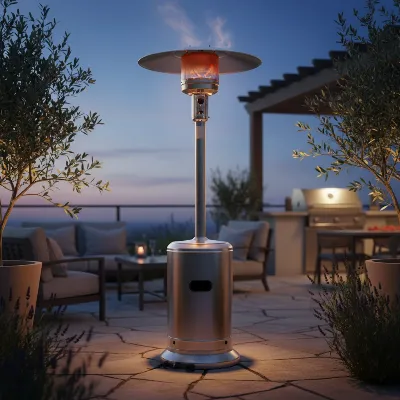
The allure of an inviting outdoor space, warm and welcoming even on the chilliest evenings, is undeniable. Patio heaters have become a cornerstone for extending the usability of our patios, decks, and gardens year-round. However, while these appliances bring comforting warmth, they also come with inherent risks if not handled with the utmost care and attention. As a seasoned technician with over a decade of hands-on experience at Revieweers.com, I’ve seen firsthand the difference proper safety practices make. This guide is dedicated to equipping you with the essential knowledge and practical tips to ensure your outdoor heating experience is not only cozy but also completely safe, covering gas, electric, and even wood-burning options.
Understanding Patio Heaters and Their Safety Imperatives
Overview of Patio Heaters
|
Our Picks for the Best Patio Heater in 2026
As an Amazon Associate I earn from qualifying purchases.
|
||
| Num | Product | Action |
|---|---|---|
| 1 | EAST OAK 55,000 BTU Propane Patio Heater with Round Table & Stainless Steel Burner, Outdoor Heater with Wheels, Ideal For Large Patios, Gardens, Outdoor Events, and Commercial Use, Bronze |

|
| 2 | EAST OAK 50,000 BTU Patio Heater for Outdoor Use With Round Table Design, Double-Layer Stainless Steel Burner and Wheels, Outdoor Patio Heater for Home and Commercial, Bronze, 31.9" x 31.9" x 86.6" |
|
| 3 | VEVOR 50000BTU Propane Patio Heater for Outdoor Use, Tall Hammered With Round Table Design, Metal Burner and Wheels, Fixed Flame Heater for Party, Backyard, Garden, Bronze |
|
| 4 | 50,000 BTU Patio Heater - Propane Patio Heater with Sand Box, Double-Layer Stainless Steel Burner Space Heater, Outdoor Heaters with Wheels, Used for Garden, Patio and Residential, Brown |
|
| 5 | EAST OAK 50,000 BTU Patio Heater for Outdoor Use with Round Table Design, Double-Layer Stainless Steel Burner, Wheels, Triple Protection System, Outdoor Heater for Home and Residential, Black |
|
| 6 | 50,000 BTU Patio Heater - Propane Patio Heater with Sand Box, Double-Layer Stainless Steel Burner, Round Table Design Space Heater, Outdoor Heaters with Wheels for Garden and Patio, Brown |
|
| 7 | EAST OAK One-Hand Ignition Patio Heater with Enhanced Burner Head, 50,000 BTU Propane Outdoor Heater, One-Person Install, Round Table Design for Porch, Garden, Balcony, Backyard |
|
| 8 | Patio Heater for Outdoor Use, Infrared Electric Outdoor Heater, 1500W Instant Heating, 60-Degree Oscillation, 9 Heat Levels, 9H Timer, Remote, for Garage, Backyard, Large Room, Indoor, 32.2", White |
|
| 9 | EAST OAK 50,000 BTU Patio Heater with Sand Box, Table Design, Double-Layer Stainless Steel Burner, Wheels, Triple Protection System, Outdoor Heater for Home and Residential, Pinecone |
|
| 10 | Amazon Basics 46,000 BTU Portable Outdoor Propane Patio Heater with Wheels, Commercial & Residential with Water Tank, Adjustable Heat Output, 9-Foot Radius, Slate Gray, 32.1"L x 32.1"W x 91.3"H |
|
Patio heaters are specifically designed appliances that radiate heat outwards, creating a comfortable microclimate in your outdoor living areas. From backyard barbecues in early spring to late-night gatherings in autumn, they transform otherwise chilly spaces into warm havens. While the convenience and comfort they offer are immense, their operation involves high heat and, in many cases, combustible fuels. This makes understanding and implementing stringent safety measures not just advisable, but absolutely critical. The primary risks include carbon monoxide poisoning from gas models, fire hazards from all types if placed improperly, and electrical dangers with electric units.
Types of Patio Heaters and Specific Safety Notes
The market offers a variety of patio heaters, each with unique characteristics and, consequently, specific safety considerations. Knowing these differences is the first step toward safe operation.
-
Gas Patio Heaters (Propane & Natural Gas):
These are popular for their powerful and immediate heat output, often seen in freestanding, tall models. Propane units use portable tanks, while natural gas heaters connect to a fixed gas line.- Advantages: Strong heat, often portable (propane), cost-effective fuel (natural gas).
- Disadvantages: Produce carbon monoxide (CO), require careful fuel handling and storage (propane), potential for gas leaks.
- Crucial Safety:
- Ventilation is paramount: Gas heaters must be used in genuinely open-air environments to prevent dangerous carbon monoxide buildup. Never use them indoors or in partially enclosed spaces.
- Leak checks: Always check gas connections for leaks using a soapy water solution – bubbles indicate a leak that needs immediate attention.
- Proper tank storage: Propane tanks should be stored outdoors, upright, and away from direct sunlight, ignition sources, and entryways. Never store them indoors or in enclosed areas like garages or sheds.
- Professional installation: Natural gas heaters and fixed propane lines require installation by licensed professionals to ensure leak-free and code-compliant setups.
- Safety Features to Look For: Prioritize models with a thermocouple (shuts off gas if the flame goes out), a flame failure device, and an anti-tilt switch (automatically turns off the heater if it’s knocked over).
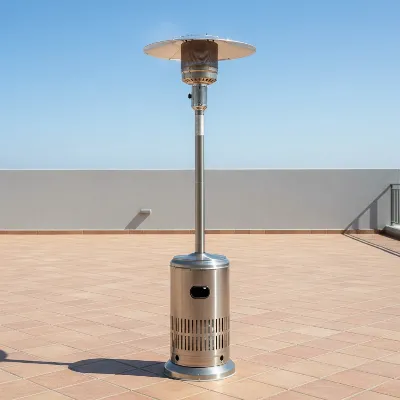 A gas patio heater on a stable, level patio with ample clearance from walls and furniture, demonstrating safe placement and operation.
 -
Electric Patio Heaters:
Electric heaters are favored for their ease of use, instant heat, and lack of emissions. They come in various forms, including freestanding, wall-mounted, and hanging designs.- Advantages: No carbon monoxide emissions, quiet operation, no fuel tanks to manage.
- Disadvantages: Requires adequate electrical supply, potential for electrical hazards, heat output can be less intense than gas over large areas.
- Crucial Safety:
- Electrical Capacity: Ensure your outdoor circuit can handle the heater’s wattage.
- Avoid Extension Cords: Plug the heater directly into a properly rated outdoor receptacle. If an extension cord is absolutely necessary, it must be heavy-duty, rated for outdoor use, and ideally, connected to an RCD (Residual Current Device) protected outlet to prevent shocks.
- Cord Management: Keep power cords tidy to prevent tripping hazards, which could cause the heater to tip over.
- Protection from Elements: While electric heaters don’t use combustible fuel, ensure they are rated for outdoor use (check IP rating) and protected from direct rain or snow.
- Safety Features to Look For: Look for overheat protection (turns off if it gets too hot) and a tip-over switch. An outdoor-rated plug and robust, weather-resistant construction are also key.
-
Wood-Burning Outdoor Heaters (Fire Pits/Stoves):
These provide a traditional campfire ambiance and robust heat. While fire pits are common, some enclosed outdoor wood-burning stoves exist.- Advantages: Natural ambiance, intense heat, can be a focal point.
- Disadvantages: Produces smoke and ash, requires constant supervision, direct flame presents higher fire risk, can be affected by wind.
- Crucial Safety:
- Non-Combustible Surface: Always place wood-burning units on a stable, non-combustible surface like stone, concrete, or brick. Never on a wooden deck or grass without proper heat protection.
- Safe Distance: Maintain a significant clearance (at least 10 feet) from homes, vegetation, and other flammable materials.
- Spark Screens: Use a spark screen to contain embers and prevent them from escaping.
- Proper Fuel: Burn only dry, well-seasoned, untreated wood. Avoid using accelerants like gasoline.
- Constant Supervision: Never leave a burning wood heater unattended. Ensure the fire is completely extinguished before leaving the area.
- Fire Extinguishing Equipment: Have a shovel, water, or a fire extinguisher with an appropriate rating readily available.
Comparative Safety Overview of Patio Heater Types
Understanding the distinct safety profiles can help you choose the right heater for your environment and comfort level.
| Feature | Gas Patio Heaters | Electric Patio Heaters | Wood-Burning Heaters (Fire Pits) |
|---|---|---|---|
| Primary Risks | Carbon Monoxide, gas leaks, fire | Electrical shock, overheating, fire | Open flame, sparks, smoke inhalation, fire |
| Ventilation Needs | Critical (open-air only) | Good airflow recommended | Critical (open-air only) |
| Fuel Handling | Propane tank storage, gas line checks | Power cord inspection, proper outlets | Wood storage, ash disposal |
| Ignition Source | Pilot light/igniter | Electric element | Open flame |
| Safety Features | Thermocouple, anti-tilt, flame failure | Overheat protection, tip-over switch, RCD | Spark screen, sturdy construction |
| Environmental | Fumes/CO, require maintenance | Clean, quiet | Smoke, ash, air quality impact |
Selecting a Safe Patio Heater: What to Look For
Choosing the right patio heater goes beyond aesthetics and heat output; it’s fundamentally about safety.
Identifying Your Safety Needs
Before purchasing, assess your specific situation:
- Space & Environment: How large is your outdoor area? Is it fully open, or is there a partial overhead cover? How windy is your location? Gas heaters demand ample open space for ventilation, while electric models can be more suitable for semi-enclosed areas if properly rated and ventilated.
- Frequency of Use: If you plan on daily use, robust construction and easy-to-maintain safety features are crucial. Infrequent users might prioritize simpler models, but maintenance is still key.
- User Profile: Will children or pets be regularly present? If so, features like cool-to-touch surfaces for electric heaters, or a wider, more stable base for all types, become even more important. A clear “buffer zone” around any heater is essential.
- Budget: While safety should never be compromised, higher-end models often include more advanced safety features and more durable construction. Factor in the cost of necessary accessories like covers, heat-resistant mats, or additional weights.
Essential Safety Features & Certifications
When browsing models, look for these non-negotiable safety attributes:
- Automatic Shut-off: A tip-over switch is vital for freestanding units, immediately cutting power or gas if the heater is accidentally knocked over. Overheat protection is crucial for electric models to prevent fire hazards.
- Flame Failure Device: For gas heaters, a thermocouple or similar device that automatically shuts off the gas supply if the flame extinguishes (due to wind or other issues) is a must.
- Sturdy, Weighted Base: Especially for freestanding models, a wide, heavy base provides stability and reduces the risk of tipping in windy conditions. Some units allow for sand or water filling in the base for added weight.
- Certifications: Always choose heaters that have been tested and certified by nationally recognized safety organizations like UL (Underwriters Laboratories), CSA (Canadian Standards Association), CE, or are ERP Compliant. These certifications ensure the product meets stringent safety standards.
- Outdoor Rating: For electric heaters, look for an appropriate IP (Ingress Protection) rating, indicating its resistance to dust and moisture, ensuring safe operation outdoors.
 An electric patio heater placed on a stable outdoor deck, demonstrating the importance of clear space around the unit and away from overhead structures and flammable items.
Operating Your Patio Heater Safely
Even the safest heater can become a hazard with improper use. Consistent adherence to operational guidelines is key.
Critical Placement Guidelines
Proper placement is arguably the single most important safety consideration for any patio heater.
- Minimum Clearance: Maintain at least 3 feet (1 meter) of clear space on all sides of the heater from combustible materials such, as walls, ceilings, furniture, plants, umbrellas, and awnings. For buildings and exit paths, some regulations recommend 5 feet of clearance. Heat rises, so ensure adequate overhead clearance as well.
- Stable, Level Surface: Always place your heater on a flat, even, and stable surface to prevent it from tipping over. Uneven pavers or soft ground can lead to instability.
- Ventilation: This cannot be stressed enough for gas heaters. They are designed exclusively for outdoor, well-ventilated areas. Never use them in enclosed patios, tents, or garages, where carbon monoxide can accumulate to deadly levels.
- Awareness: Position heaters away from high-traffic areas, doors, and walkways to prevent accidental collisions. Create a clear “buffer zone” around the heater, especially if children or pets are present.
Fuel and Electrical Management
Careful handling of fuel sources and electrical connections is critical for preventing accidents.
-
Gas Heater Specifics:
- Leak Detection: Before each use or after changing a propane tank, perform a leak test by applying a soapy water solution to all hose and valve connections. If bubbles appear, tighten connections or replace faulty parts immediately.
- Proper Connection and Shut-off: Ensure propane tanks are securely connected. Always turn off the gas supply at the tank valve when the heater is not in use.
- Refueling Safety: Never attempt to refuel or change a propane tank near an open flame or any ignition source. Allow the heater to cool completely.
-
Electric Heater Specifics:
- Direct Plug-in: As mentioned, avoid extension cords. If one is essential, it must be heavy-duty, rated for outdoor use, and ideally connected to an RCD-protected outlet. Overloading circuits can lead to overheating and fire.
- Inspect Cords and Plugs: Regularly check power cords and plugs for fraying, cracks, or damage. Never use a heater with a damaged cord, as this poses a severe shock and fire risk.
- Protection from Moisture: While outdoor-rated, electric heaters should be shielded from direct rain or prolonged moisture exposure.
Safe Operation Practices
Beyond setup, how you operate your heater plays a significant role in safety.
- Read Manufacturer’s Instructions: This is the most fundamental rule. Every heater model has specific guidelines; familiarize yourself with them before first use.
- Never Leave Unattended: A running patio heater, especially one with an open flame or high heat, should never be left unsupervised. If you leave the area, even for a short time, turn it off.
- Supervise Children & Pets: Children and pets are naturally curious and may not understand the dangers of a hot appliance. Maintain a clear “no-go” zone around the heater and ensure constant supervision.
- Do Not Move When On: Never attempt to move a patio heater while it is operating or still hot. Allow it to cool down completely before repositioning.
- Carbon Monoxide Detectors: For propane or natural gas heaters, especially in areas that might be semi-enclosed or prone to wind changes, consider installing an outdoor-rated carbon monoxide detector as an additional layer of safety.
Maintaining and Storing for Long-Term Safety
Consistent maintenance and proper storage not only extend the lifespan of your patio heater but, more importantly, ensure its continued safe operation.
Routine Safety Checks and Cleaning
Make regular inspections a part of your routine, especially before the start of each heating season and periodically during use.
- Inspect for Wear & Damage: Examine gas hoses and connections for cracks, corrosion, or leaks. Check electrical cords for fraying or exposed wires. Look for any structural damage to the heater body or base.
- Clear Debris: Dust, leaves, cobwebs, or other debris can accumulate in burners, vents, and reflectors, impeding airflow or leading to overheating. Use a soft brush or compressed air to keep these areas clean.
- Gas Line Integrity: For natural gas units, ensure all fixed lines and fittings are tight and free from corrosion.
- Professional Servicing: For gas patio heaters, consider an annual professional inspection by a qualified technician to ensure all components, especially gas lines and safety cut-offs, are functioning correctly.
Proper Storage Techniques
When the heating season ends, or if your heater won’t be used for an extended period, proper storage is crucial.
- Disconnect & Cool: Always disconnect the power supply (electric) or shut off and disconnect the gas tank (gas) and allow the heater to cool completely before covering or moving.
- Protective Covers: Invest in a durable, waterproof cover to protect your heater from rain, snow, dust, and debris. This prevents rust and internal damage.
- Indoor Storage (Portable Units): Whenever possible, store portable electric and gas patio heaters indoors in a dry, protected area like a shed or garage to shield them from harsh weather conditions and prolong their life.
- Propane Tank Storage: Detach propane tanks from the heater and store them outdoors, upright, in a well-ventilated area, away from direct sunlight, heat sources, and potential ignition. Never store propane tanks indoors.
“The biggest mistake I see people make with patio heaters is underestimating the power of radiant heat and neglecting proper clearances. Always give your heater more room than you think it needs, and never treat it like just another piece of patio furniture.” – Johnathan Reed, Senior Patio Heater Technician, Revieweers.com
In conclusion, outdoor patio heaters are fantastic tools for enhancing your comfort and extending your enjoyment of outdoor living spaces. However, the warmth they provide comes with a responsibility to prioritize safety above all else. By understanding the specific risks associated with each heater type, making informed choices when purchasing, diligently following operational guidelines, and committing to regular maintenance and proper storage, you can significantly mitigate potential hazards. Your vigilance ensures that your outdoor experiences remain both warm and worry-free.
What safety feature gives you the most peace of mind when using your outdoor heater?
Frequently Asked Questions
Can I use a gas patio heater under a covered patio?
Gas patio heaters are designed for outdoor use only and require ample open-air ventilation to disperse carbon monoxide safely. Using them under a fully covered patio or in a partially enclosed space, such as a gazebo with solid walls, is highly dangerous and can lead to carbon monoxide poisoning. Always ensure a truly open-air environment.
What should I do if I smell gas from my patio heater?
If you smell gas, immediately turn off the gas supply at the tank or main line, evacuate the area, and call emergency services or a qualified gas technician. Do not attempt to locate the leak yourself if there is any ignition source nearby, and avoid any actions that could create a spark or flame.
How far should a patio heater be from an umbrella or awning?
A minimum clearance of at least 3 feet (1 meter) should be maintained between your patio heater and any combustible materials, including umbrellas, awnings, curtains, and furniture. It’s crucial to check your specific heater’s manufacturer instructions, as some may recommend even greater distances, especially for overhead structures.
Are electric patio heaters safer than gas ones?
Electric patio heaters generally carry a lower risk of carbon monoxide poisoning since they do not produce combustion byproducts. However, they introduce electrical safety concerns such as shock hazards and the potential for electrical fires if not properly installed, maintained, or if faulty wiring is present. Both types have distinct safety considerations that must be strictly followed.
How often should I check my patio heater for leaks or damage?
For gas heaters, perform a leak check with soapy water every time you change a propane tank or before the first use of the season. All Patio Heaters should undergo a thorough inspection for wear, damage, and debris at the beginning of each heating season and periodically throughout its use. Gas heaters, in particular, benefit from annual professional servicing.