There’s nothing quite like the warmth of a patio heater to extend those cool evenings outdoors. But when your trusty patio heater flickers to life only to immediately go out, it can quickly turn a cozy gathering into a chilly inconvenience. This common problem, primarily affecting gas-powered units, is frustrating, but often has a straightforward DIY solution. You don’t always need a professional technician to get your patio heater back in working order.
This guide will walk you through the most common reasons why your patio heater might not be staying lit and provide clear, actionable steps to diagnose and fix the issue yourself. We’ll cover everything from simple gas supply checks to inspecting critical components like the thermocouple and safety switches, always emphasizing safety first. By understanding these potential culprits and how to address them, you can restore warmth to your outdoor space and enjoy comfort year-round.
Understanding Why Your Patio Heater Won’t Stay Lit
Before diving into fixes, it’s helpful to understand the basic mechanism that keeps your gas patio heater burning. Propane or natural gas flows from your tank or line, through a regulator and control valve, to a pilot light. The pilot light, a small, continuous flame, ignites the main burner. Crucially, a safety device called a thermocouple sits within the pilot flame. Its job is to sense the heat produced by the pilot. If the thermocouple detects sufficient heat, it signals the gas valve to remain open, allowing gas to flow and the heater to stay lit. If it doesn’t sense heat (e.g., if the pilot goes out), it shuts off the gas supply, preventing a dangerous gas leak.
When your patio heater won’t stay lit, it’s typically because one of these steps is interrupted. The thermocouple might be faulty or improperly positioned, the gas supply could be obstructed, or other safety mechanisms might be engaging. Always remember safety first: Before you begin any troubleshooting or repair, ensure your patio heater is turned off, the gas supply is shut off at the tank, and the unit has cooled down completely. Work in a well-ventilated outdoor area.
Common Causes and Simple DIY Solutions
Identifying the root cause is the first step to a successful repair. Here are the most frequent reasons a patio heater won’t stay lit, along with easy-to-follow DIY fixes.
1. Gas Supply Issues
A lack of consistent gas flow is a primary reason a heater might light momentarily and then extinguish.
- Empty or Low Propane Tank: This is the simplest and often overlooked cause. A low tank can’t provide enough pressure to keep the flame going.
- Fix: Check the propane tank level. A full tank is significantly heavier than an empty one. If it’s empty or nearly empty, replace or refill it.
- Kinked or Damaged Gas Hose: A bend or damage in the gas line can restrict flow.
- Fix: Visually inspect the entire gas hose for kinks, cracks, or visible damage. Straighten any kinks. If the hose is damaged, it’s safer to replace the entire hose and regulator assembly.
- Air in the Gas Line: Especially with a new tank or after a tank change, air can get trapped in the line, preventing gas from reaching the burner.
- Fix: Purge the air from the gas line. Turn the gas knob on the propane tank fully open. Then, depress the control knob on the heater for two to three minutes without attempting to light it. This allows air to escape. Ensure all gas has cleared before attempting to ignite the heater.
- Faulty Gas Regulator: The regulator controls the flow and pressure of gas. If it’s malfunctioning, it might not provide consistent pressure.
- Fix: Ensure the regulator is securely connected to the propane tank. Some regulators have a reset mechanism (check your heater’s manual for specific instructions). If you suspect a faulty regulator and other checks yield no results, replacing the hose and regulator assembly is often the simplest solution, as they are typically sold together. [cite: 1, 1 (search 2)]
- Loose Connections: Any loose fitting in the gas line can lead to pressure drops or leaks.
- Fix: Tighten all connections, from the tank to the heater’s control valve. To check for leaks, make a soapy water solution (one part dish soap, one part water) and apply it to all connections. Turn on the gas supply (without lighting the heater). If bubbles appear, you have a leak. Tighten the fitting or replace the component if necessary. [cite: 3 (search 2)]
|
Our Picks for the Best Patio Heater in 2026
As an Amazon Associate I earn from qualifying purchases.
|
||
| Num | Product | Action |
|---|---|---|
| 1 | EAST OAK 55,000 BTU Propane Patio Heater with Round Table & Stainless Steel Burner, Outdoor Heater with Wheels, Ideal For Large Patios, Gardens, Outdoor Events, and Commercial Use, Bronze |

|
| 2 | EAST OAK 50,000 BTU Patio Heater for Outdoor Use with Round Table Design, Double-Layer Stainless Steel Burner, Wheels, Triple Protection System, Outdoor Heater for Home and Residential, Black |
|
| 3 | Amazon Basics 46,000 BTU Portable Outdoor Propane Patio Heater with Wheels, Commercial & Residential with Water Tank, Adjustable Heat Output, 9-Foot Radius, Slate Gray, 32.1"L x 32.1"W x 91.3"H |
|
| 4 | VEVOR 50000BTU Propane Patio Heater for Outdoor Use, Tall Hammered With Round Table Design, Metal Burner and Wheels, Fixed Flame Heater for Party, Backyard, Garden, Bronze |
|
| 5 | 50,000 BTU Patio Heater - Propane Patio Heater with Sand Box, Double-Layer Stainless Steel Burner Space Heater, Outdoor Heaters with Wheels, Used for Garden, Patio and Residential, Brown |
|
| 6 | EAST OAK One-Hand Ignition Patio Heater with Enhanced Burner Head, 50,000 BTU Propane Outdoor Heater, One-Person Install, Round Table Design for Porch, Garden, Balcony, Backyard |
|
| 7 | EAST OAK 50,000 BTU Patio Heater for Outdoor Use With Round Table Design, Double-Layer Stainless Steel Burner and Wheels, Outdoor Patio Heater for Home and Commercial, Bronze, 31.9" x 31.9" x 86.6" |
|
| 8 | EAST OAK 50,000 BTU Patio Heater with Sand Box, Table Design, Double-Layer Stainless Steel Burner, Wheels, Triple Protection System, Outdoor Heater for Home and Residential, Pinecone |
|
| 9 | 50,000 BTU Patio Heater - Propane Patio Heater with Sand Box, Double-Layer Stainless Steel Burner, Round Table Design Space Heater, Outdoor Heaters with Wheels for Garden and Patio, Brown |
|
| 10 | Patio Heater for Outdoor Use, Infrared Electric Outdoor Heater, 1500W Instant Heating, 60-Degree Oscillation, 9 Heat Levels, 9H Timer, Remote, for Garage, Backyard, Large Room, Indoor, 32.2", White |
|
2. Pilot Light Problems
The pilot light is crucial for ignition and keeping the thermocouple engaged.
- Pilot Flame Too Far from Thermocouple: The thermocouple must be immersed in the pilot flame to properly sense heat. If it’s even slightly out of position, it won’t work.
- Fix: With the heater off and cool, you may need to disassemble the top of the heater and the control panel to access the pilot light and thermocouple. Gently use pliers to carefully squeeze the pilot light and thermocouple closer together, ensuring the thermocouple bulb is fully within the pilot flame. Be very gentle to avoid crushing them. [cite: 1, 3 (search 1)]
- Dirty Pilot Orifice or Tube: Dust, dirt, carbon buildup, or even tiny insects can clog the small opening of the pilot light, resulting in a weak or erratic flame that fails to heat the thermocouple sufficiently.
- Fix: Use a can of compressed air, a thin wire, or a soft brush to carefully clear any debris from the pilot opening and the pilot feed tube. [cite: 2, 5 (search 1); 5 (search 2)]
- Wind: Strong breezes can easily blow out a weak pilot light.
- Fix: Position your patio heater in an area sheltered from direct wind. Consider windbreaks or moving the heater to a more protected spot if persistent drafts are an issue. [cite: 2, 3 (search 1)]
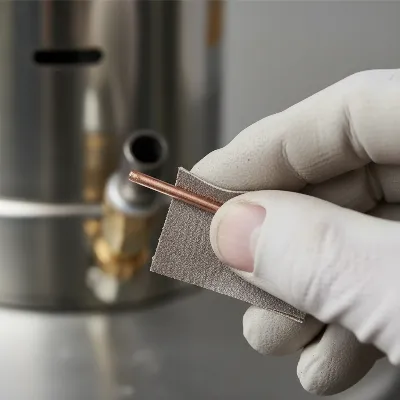 A close-up of a patio heater thermocouple being gently cleaned with fine-grit sandpaper, with a pilot light in the background.
3. Thermocouple Malfunction
The thermocouple is perhaps the most common component to fail or cause issues when a patio heater won’t stay lit. This safety device ensures gas flow only when a flame is present.
- Dirty Thermocouple: Carbon buildup from propane combustion can coat the thermocouple, insulating it and preventing it from accurately sensing heat.
- Fix: Gently clean the thermocouple rod with fine-grit sandpaper, emery cloth, or a wire brush to remove any carbon deposits or corrosion. [cite: 1, 3 (search 1); 3 (search 2)]
- Bent or Misaligned Thermocouple: As mentioned, if the thermocouple is not correctly positioned within the pilot flame, it won’t activate the gas valve. Portable units are particularly prone to this if they are bumped.
- Fix: After ensuring the heater is off and cool, carefully examine the thermocouple’s position. It should be directly in the path of the pilot flame. If it’s bent, gently reposition it. You might need to adjust the bracket holding it. [cite: 1, 5 (search 1); 3 (search 2)]
- Faulty Thermocouple: Over time, thermocouples can simply wear out and fail to generate the necessary electrical signal.
- Fix: If cleaning and adjustment don’t solve the problem, the thermocouple likely needs replacement. This is a common and relatively inexpensive part to replace. Carefully disconnect the old thermocouple (usually a single nut and a push-in connector) and install the new one, ensuring it’s properly seated in the pilot flame. [cite: 1, 2 (search 2)]
4. Tip-Over Switch (Safety Switch) Issues
Most modern patio heaters include a safety tip-over switch that automatically shuts off the gas supply if the unit tilts or falls, preventing fires.
- Misaligned or Stuck Switch: If the switch gets stuck in a “tipped” position or is obstructed by debris, it will prevent the heater from staying lit.
- Fix: Ensure your patio heater is on a perfectly flat, stable surface. Check the area around the base for any debris that might be interfering with the switch. Sometimes, gently tapping the base can free a stuck switch.
- Faulty Switch: If the switch itself is defective, it will continuously cut off the gas supply.
- Fix: If you suspect a faulty tip-over switch, it’s crucial for safety not to attempt to bypass it. While some online sources might suggest temporary bypasses, this removes a critical safety feature and could lead to severe hazards like fires or gas leaks. [cite: 1 (search 3)] The safest approach is to replace the faulty switch. These are usually easy to access and replace with basic tools. [cite: 2, 4 (search 3)]
5. Igniter/Spark Electrode Problems
If your heater struggles to light the pilot in the first place, the igniter system might be the culprit.
- Dirty Electrode or Incorrect Gap: The igniter generates a spark to light the pilot. If the electrode is dirty or the gap between it and the pilot is too wide, it won’t produce a strong enough spark.
- Fix: With the gas supply off, visually inspect the spark electrode (a small ceramic rod with a metal tip near the pilot). Clean off any carbon or debris with a wire brush. Ensure the gap between the electrode and the pilot opening is about 1/8 inch (3mm). Gently bend the electrode if adjustment is needed.
- Worn or Faulty Igniter: Over time, the igniter can simply wear out and stop producing a spark.
- Fix: If you hold down the ignition button and hear no clicking or see no spark (and you’ve ruled out gas issues), the igniter may be faulty. You can test this by trying to light the pilot manually with a long match or stick lighter. If the heater lights and stays lit with manual ignition, the igniter needs to be replaced. Universal igniters are often available and relatively easy to install. [cite: 1, 5 (search 1)]
6. Burner Assembly Blockages
Even if the pilot lights, obstructions in the main burner can cause issues.
- Dirty Burner Orifice or Emitter Screen: Dust, dirt, and spider webs can accumulate in the burner’s small gas orifices or on the emitter screen, restricting gas flow to the main flame.
- Fix: Turn off the gas and allow the heater to cool. Remove the emitter screen and any burner covers. Use a soft brush, compressed air, or a thin wire to clear any debris from the burner ports and emitter screen. Ensure all components are dry before reassembling. [cite: 1, 2, 3 (search 1); 1, 4 (search 2)]
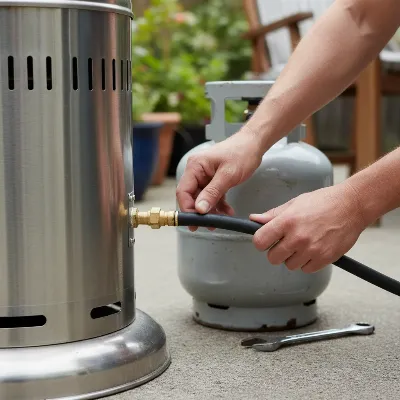 A person inspecting a gas hose connection on a patio heater for kinks or damage, with hands clearly visible and a propane tank in the background.
Step-by-Step Troubleshooting Flow
To systematically diagnose the problem, follow these steps:
- Safety First: Turn off the heater, shut off the gas at the tank, and let it cool.
- Check Gas Supply:
- Is the propane tank full? Replace or refill if needed.
- Is the tank valve fully open?
- Is the hose kinked or damaged? Straighten or replace.
- Purge air from the gas line (open tank, depress control knob for 2-3 minutes).
- Perform a soapy water leak test on all gas connections.
- Inspect Pilot Light & Thermocouple:
- Is the pilot orifice clear of debris? Clean if necessary.
- Is the thermocouple clean (no carbon buildup)? Gently sand if needed.
- Is the thermocouple positioned correctly in the pilot flame? Adjust if it’s too far.
- If the pilot lights but doesn’t stay lit after these steps, consider replacing the thermocouple.
- Examine the Igniter:
- Does the igniter produce a spark? If not, try lighting manually.
- Is the igniter electrode clean and gapped correctly? Adjust/clean.
- If manual lighting works but the igniter doesn’t spark, replace the igniter.
- Verify Safety Switches:
- Is the heater on a flat, stable surface?
- Are there any obstructions around the tip-over switch?
- If the switch seems faulty after ruling out other issues, replace it.
- Check Burner Assembly:
- Is the main burner orifice or emitter screen clogged? Clean thoroughly.
If you’ve followed these steps and your patio heater still won’t stay lit, you may have a more complex issue.
When to Call a Professional
While many patio heater problems can be resolved with DIY fixes, there are situations where professional assistance is essential for your safety and the heater’s proper function:
- Persistent Gas Leaks: If you detect a gas leak (smell of gas, persistent bubbles in the soapy water test) that you cannot quickly identify and resolve by tightening a connection, immediately shut off the gas and call a professional. Gas leaks are extremely dangerous.
- Internal Control Valve Issues: Problems with the main gas control valve or internal components often require specialized tools and expertise for diagnosis and replacement.
- Electrical Problems (for electric heaters): If you have an electric patio heater and suspect damaged wiring, a recurring tripped circuit breaker, or other electrical faults, do not attempt to repair it yourself unless you are a qualified electrician.
- Any Lingering Safety Concerns: If you are ever unsure about a repair, or if you feel uncomfortable working with gas lines or electrical components, it is always best to err on the side of caution and contact a qualified service technician. [cite: 2, 4 (search 2)]
Maintenance Tips to Prevent Future Issues
Regular maintenance can significantly extend the life of your patio heater and prevent common issues like the flame not staying lit.
- Regular Cleaning: At the beginning and end of each outdoor season, thoroughly clean the pilot assembly, thermocouple, burner, and emitter screen to remove dust, dirt, carbon buildup, and insect nests. Compressed air works well for orifices.
- Inspect Gas Lines Annually: Check the gas hose for cracks, kinks, or signs of wear. Perform a soapy water leak test at least once a year.
- Proper Storage: When not in use, especially during off-seasons, store your patio heater in a dry, covered area to protect it from the elements and prevent rust and debris buildup. Use a weatherproof cover if storing it outdoors. [cite: 3 (search 1)]
- Professional Servicing: Consider having a licensed gas fitter inspect and service your gas patio heater annually, especially if you use it frequently. They can identify potential issues before they become major problems and ensure all safety features are functioning correctly.
“Many frustrating patio heater issues, particularly those related to the pilot and thermocouple, stem from simple buildup or misalignment. A few minutes of careful cleaning and adjustment can often bring your unit back to life, but always prioritize safety and know when to seek professional help for gas-related concerns.” – Admin, Revieweers.com, Patio Heater Technician
Conclusion
A patio heater that won’t stay lit can be a real nuisance, but with a systematic approach to troubleshooting, many common problems can be easily resolved at home. From ensuring a full propane tank and clear gas lines to cleaning and adjusting the thermocouple, you now have the knowledge to tackle these issues. Remember to always prioritize safety by turning off the gas and allowing the unit to cool before any intervention. Regular maintenance is your best defense against these frustrations, keeping your outdoor space warm and inviting whenever you need it.
Don’t let a temperamental patio heater keep you indoors. By following these DIY steps, you can confidently diagnose and fix many common problems, ensuring your outdoor comfort for seasons to come. What’s your favorite part about having a functional patio heater?
Frequently Asked Questions
Why does my patio heater light but then immediately go out?
This is most commonly caused by a faulty, dirty, or misaligned thermocouple. The thermocouple is a safety device that must sense heat from the pilot flame to allow gas to flow. If it doesn’t sense enough heat, it automatically shuts off the gas, causing the heater to go out. Checking gas supply, pilot flame, and the thermocouple’s position and cleanliness are key first steps.
Can I use a patio heater indoors?
No, gas patio heaters are designed strictly for outdoor use in well-ventilated areas. They produce carbon monoxide, an odorless and colorless gas that can be deadly if it accumulates in enclosed spaces. Electric patio heaters, however, may be suitable for indoor use if specifically designed and rated for it.
How do I clean the thermocouple on my patio heater?
To clean the thermocouple, ensure the heater is off and cool, and the gas supply is shut off. Locate the small copper rod (thermocouple) near the pilot light. Gently use fine-grit sandpaper, emery cloth, or a wire brush to remove any carbon buildup or corrosion from its surface. This improves its ability to sense heat.
What tools do I typically need to fix a patio heater?
For most DIY fixes, you’ll need basic tools such as screwdrivers (Phillips and flathead), a wrench or pliers for gas line connections, a can of compressed air for cleaning, and potentially fine-grit sandpaper or a wire brush. Always consult your heater’s manual for specific tool requirements.
How often should I clean my patio heater?
It’s recommended to perform a thorough cleaning of your Patio Heater at least once per season, typically before you start using it extensively and again before storing it for the off-season. Regular visual checks for debris and spider webs, especially around the pilot and burner, are also advisable.