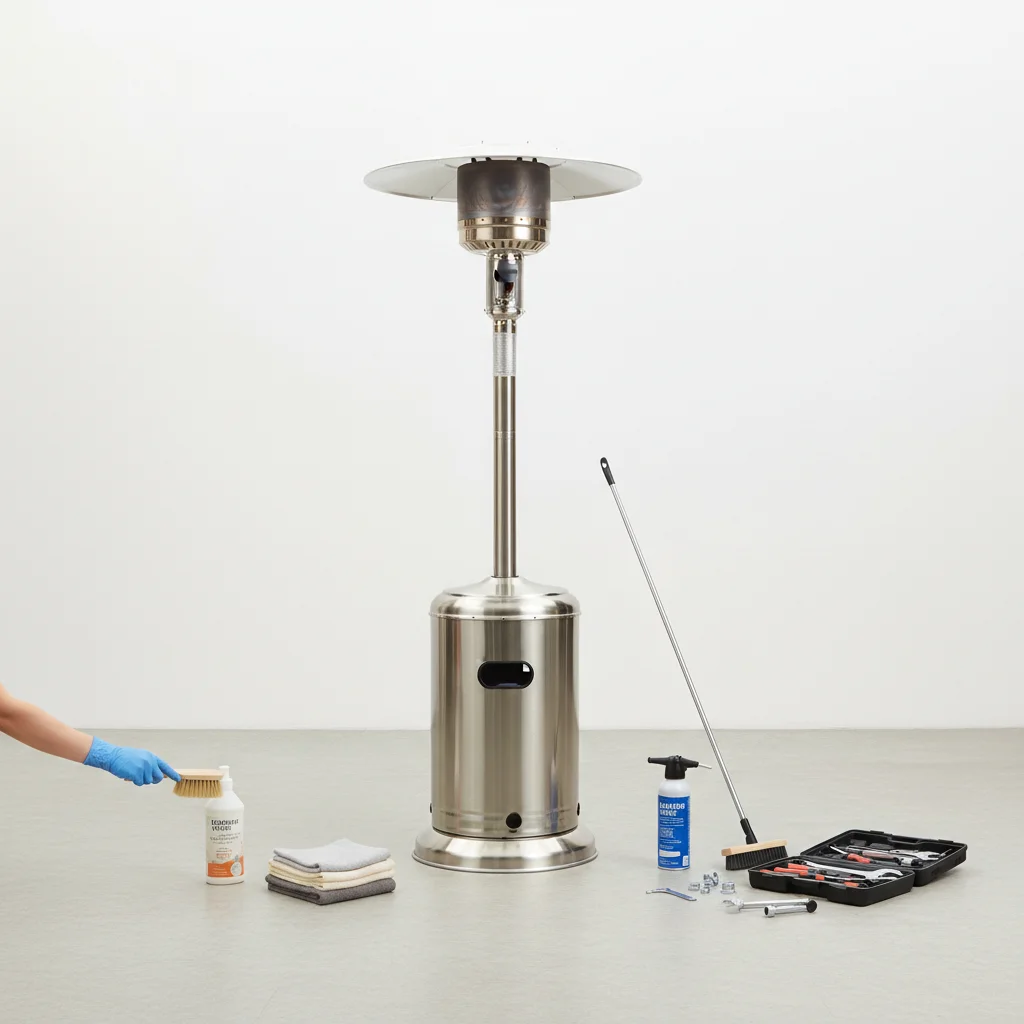
Maintaining your patio heater regularly is crucial for its longevity and efficient operation. Generally, you should aim to clean your patio heater at least once every three months during periods of frequent use, and perform a more thorough inspection and cleaning before storing it for the off-season. This routine helps prevent common issues like clogged burners, reduced heat output, and premature wear, ensuring your outdoor comfort system is always ready when you need it.
Why Regular Cleaning is Essential for Patio Heaters
Regular cleaning extends the lifespan of your patio heater by preventing the buildup of dirt, dust, and debris that can obstruct critical components. Over time, these particles can lead to inefficient fuel combustion, reduced heat output, and even safety hazards. A clean heater operates more effectively, consuming less fuel and providing consistent warmth for your outdoor gatherings. Neglecting maintenance can result in costly repairs or the need for premature replacement.
Seasonal Cleaning: Preparing for Storage and Use
Before storing your patio heater for the colder months, a comprehensive cleaning is highly recommended. This involves disconnecting the fuel source, wiping down all exterior surfaces, and inspecting the burner and igniter for any signs of wear or blockage. Similarly, before the start of the outdoor season, a quick check and light cleaning can ensure it’s in optimal working condition. This proactive approach minimizes the chances of unexpected malfunctions when you’re ready to use it.
- Wipe down exterior surfaces with a damp cloth.
- Inspect the burner and igniter for debris.
- Check gas lines for cracks or leaks.
- Clean the reflector for maximum heat projection.
- Ensure ventilation holes are clear.
Deep Cleaning Your Patio Heater’s Burner and Pilot Light
|
Our Picks for the Best Patio Heater in 2026
As an Amazon Associate I earn from qualifying purchases.
|
||
| Num | Product | Action |
|---|---|---|
| 1 | EAST OAK 50,000 BTU Patio Heater with Sand Box, Table Design, Double-Layer Stainless Steel Burner, Wheels, Triple Protection System, Outdoor Heater for Home and Residential, Pinecone |

|
| 2 | 50,000 BTU Patio Heater - Propane Patio Heater with Sand Box, Double-Layer Stainless Steel Burner Space Heater, Outdoor Heaters with Wheels, Used for Garden, Patio and Residential, Brown |
|
| 3 | Amazon Basics 46,000 BTU Portable Outdoor Propane Patio Heater with Wheels, Commercial & Residential with Water Tank, Adjustable Heat Output, 9-Foot Radius, Slate Gray, 32.1"L x 32.1"W x 91.3"H |
|
| 4 | 50,000 BTU Patio Heater - Propane Patio Heater with Sand Box, Double-Layer Stainless Steel Burner, Round Table Design Space Heater, Outdoor Heaters with Wheels for Garden and Patio, Brown |
|
| 5 | VEVOR 50000BTU Propane Patio Heater for Outdoor Use, Tall Hammered With Round Table Design, Metal Burner and Wheels, Fixed Flame Heater for Party, Backyard, Garden, Bronze |
|
| 6 | EAST OAK 50,000 BTU Patio Heater for Outdoor Use With Round Table Design, Double-Layer Stainless Steel Burner and Wheels, Outdoor Patio Heater for Home and Commercial, Bronze, 31.9" x 31.9" x 86.6" |
|
| 7 | EAST OAK 50,000 BTU Patio Heater for Outdoor Use with Round Table Design, Double-Layer Stainless Steel Burner, Wheels, Triple Protection System, Outdoor Heater for Home and Residential, Black |
|
| 8 | Patio Heater for Outdoor Use, Infrared Electric Outdoor Heater, 1500W Instant Heating, 60-Degree Oscillation, 9 Heat Levels, 9H Timer, Remote, for Garage, Backyard, Large Room, Indoor, 32.2", White |
|
| 9 | EAST OAK 55,000 BTU Propane Patio Heater with Round Table & Stainless Steel Burner, Outdoor Heater with Wheels, Ideal For Large Patios, Gardens, Outdoor Events, and Commercial Use, Bronze |
|
| 10 | EAST OAK One-Hand Ignition Patio Heater with Enhanced Burner Head, 50,000 BTU Propane Outdoor Heater, One-Person Install, Round Table Design for Porch, Garden, Balcony, Backyard |
|
The burner and pilot light are critical components that require careful attention during cleaning. For gas heaters, ensure the gas supply is completely off. Use a soft brush or compressed air to gently remove any dust, spiderwebs, or insect nests from the burner ports and pilot light assembly. Avoid using water directly on these components, as it can cause rust or damage. For electric heaters, ensure the power is disconnected and wipe down heating elements with a dry cloth, being careful not to bend or damage them.
Troubleshooting Common Issues Related to Lack of Maintenance
Many common patio heater problems, such as a flickering flame, difficulty igniting, or uneven heat distribution, can be traced back to insufficient maintenance. A clogged pilot light or burner can prevent proper gas flow, leading to ignition failures. Similarly, a dirty reflector can diminish heat projection. Regular cleaning often resolves these issues, saving you the hassle and expense of professional repairs. Always consult your heater’s manual for specific cleaning instructions and safety precautions.
Protecting Your Investment: Covers and Storage Tips
Beyond cleaning, protecting your patio heater with a durable cover is an excellent way to minimize the need for frequent deep cleaning and extend its life. A good cover shields it from rain, dust, UV rays, and other environmental elements that can cause wear and tear. When storing, choose a dry, sheltered location to prevent rust and corrosion. Proper storage, combined with regular cleaning, ensures your patio heater remains a reliable source of outdoor comfort for many seasons to come.
Get our weekly buyer guide
Practical specs, not advice. Unsubscribe anytime.
