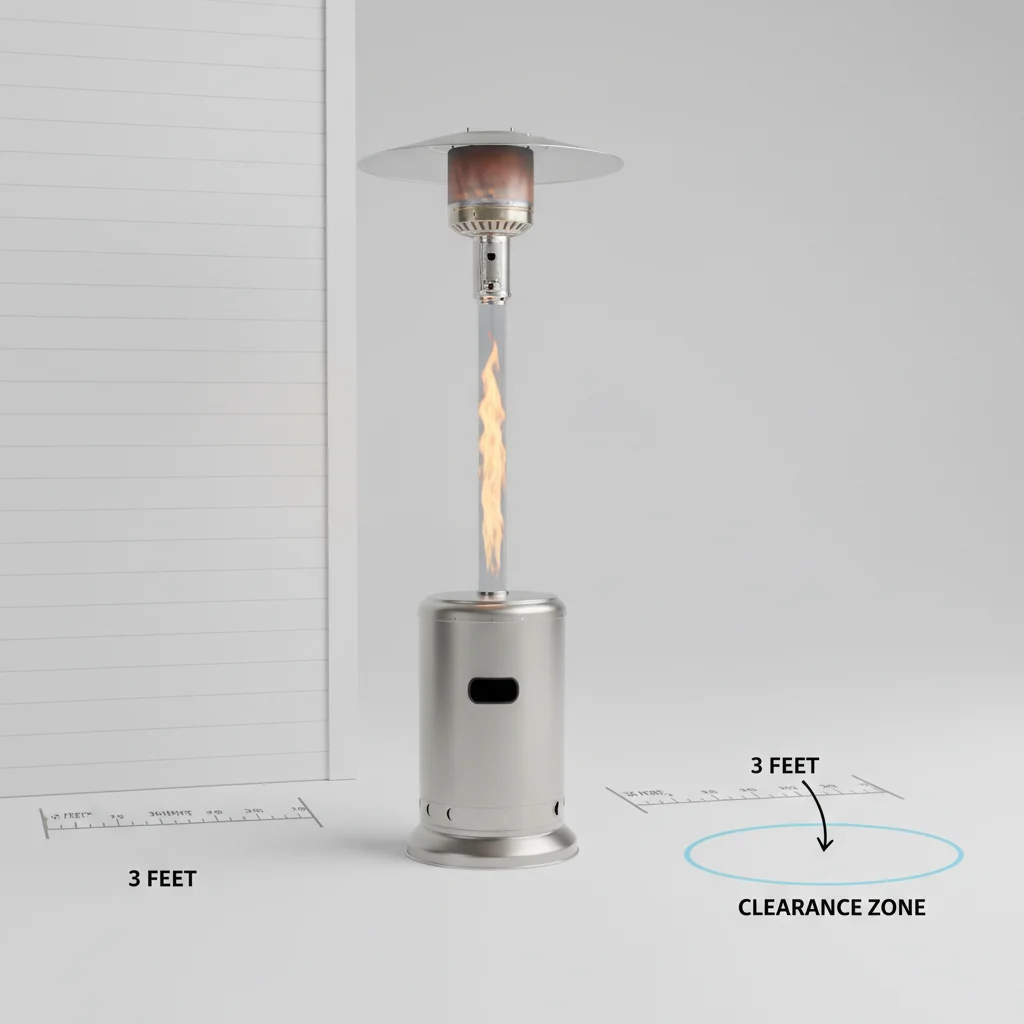
Proper patio heater placement is crucial for both safety and optimal heating performance. Generally, you should maintain a minimum distance of 24 to 36 inches from walls and at least 18 to 24 inches from ceilings or overhead obstructions. This ensures adequate clearance for heat dissipation and prevents fire hazards, especially with gas-powered units that produce significant radiant heat.
Understanding Clearance Requirements for Different Heater Types
The specific clearance needed can vary based on the type of patio heater you own. Electric infrared heaters often require less clearance than their propane or natural gas counterparts due to their more directed heat output and lack of open flame. However, it’s always best to consult your heater’s owner’s manual for the precise recommended distances, as these can differ by model and manufacturer. Ignoring these guidelines can lead to scorched surfaces, material degradation, or even fire.
Why Distance from Walls Matters for Safety and Efficiency
Maintaining a safe distance from walls isn’t just about preventing fires; it also impacts the heater’s efficiency. When a patio heater is too close to a wall, the heat can reflect back, potentially overheating the unit or creating an uneven heating pattern. For gas heaters, proper ventilation is also key to prevent carbon monoxide buildup, although most outdoor units are designed for open-air use. Always ensure there’s enough space for air to circulate freely around the heater.
- Always check the manufacturer’s specific clearance instructions.
- Ensure at least 24 inches from combustible walls for most gas heaters.
- Maintain 18-24 inches from overhead structures like awnings or pergolas.
- Consider wind direction and potential heat deflection when positioning.
- Never place heaters directly under low-hanging branches or flammable decorations.
Overhead Obstructions: Ceilings, Awnings, and Umbrellas
|
Our Picks for the Best Patio Heater in 2026
As an Amazon Associate I earn from qualifying purchases.
|
||
| Num | Product | Action |
|---|---|---|
| 1 | Amazon Basics 46,000 BTU Portable Outdoor Propane Patio Heater with Wheels, Commercial & Residential with Water Tank, Adjustable Heat Output, 9-Foot Radius, Slate Gray, 32.1"L x 32.1"W x 91.3"H |

|
| 2 | Patio Heater for Outdoor Use, Infrared Electric Outdoor Heater, 1500W Instant Heating, 60-Degree Oscillation, 9 Heat Levels, 9H Timer, Remote, for Garage, Backyard, Large Room, Indoor, 32.2", White |
|
| 3 | 50,000 BTU Patio Heater - Propane Patio Heater with Sand Box, Double-Layer Stainless Steel Burner Space Heater, Outdoor Heaters with Wheels, Used for Garden, Patio and Residential, Brown |
|
| 4 | EAST OAK 50,000 BTU Patio Heater for Outdoor Use with Round Table Design, Double-Layer Stainless Steel Burner, Wheels, Triple Protection System, Outdoor Heater for Home and Residential, Black |
|
| 5 | EAST OAK 50,000 BTU Patio Heater with Sand Box, Table Design, Double-Layer Stainless Steel Burner, Wheels, Triple Protection System, Outdoor Heater for Home and Residential, Pinecone |
|
| 6 | EAST OAK One-Hand Ignition Patio Heater with Enhanced Burner Head, 50,000 BTU Propane Outdoor Heater, One-Person Install, Round Table Design for Porch, Garden, Balcony, Backyard |
|
| 7 | EAST OAK 55,000 BTU Propane Patio Heater with Round Table & Stainless Steel Burner, Outdoor Heater with Wheels, Ideal For Large Patios, Gardens, Outdoor Events, and Commercial Use, Bronze |
|
| 8 | VEVOR 50000BTU Propane Patio Heater for Outdoor Use, Tall Hammered With Round Table Design, Metal Burner and Wheels, Fixed Flame Heater for Party, Backyard, Garden, Bronze |
|
| 9 | EAST OAK 50,000 BTU Patio Heater for Outdoor Use With Round Table Design, Double-Layer Stainless Steel Burner and Wheels, Outdoor Patio Heater for Home and Commercial, Bronze, 31.9" x 31.9" x 86.6" |
|
| 10 | 50,000 BTU Patio Heater - Propane Patio Heater with Sand Box, Double-Layer Stainless Steel Burner, Round Table Design Space Heater, Outdoor Heaters with Wheels for Garden and Patio, Brown |
|
When positioning your patio heater, pay close attention to any overhead obstructions. This includes ceilings, awnings, pergolas, and even large patio umbrellas. The heat plume from a patio heater, especially a tall, freestanding model, rises significantly. Placing a heater too close to these surfaces can cause them to warp, melt, or ignite. For hanging or wall-mounted electric heaters, ensure the heat is directed away from any flammable materials directly above or in front of the unit.
Factors Influencing Optimal Heater Positioning
Beyond safety clearances, several factors influence the optimal positioning of your patio heater for maximum comfort. Consider the prevailing wind direction in your outdoor space; positioning the heater to block the wind can help distribute heat more effectively. Also, think about the primary seating areas you want to warm. A central location often works best for freestanding units, while wall-mounted or hanging heaters are ideal for targeting specific zones. Experiment with different spots to find the sweet spot that provides the most warmth without compromising safety.
Final Checks and Regular Maintenance for Safe Operation
Before each use, especially after moving your patio heater, perform a quick safety check. Ensure all connections are secure, the heater is stable on a level surface, and there are no new obstructions in its clearance zone. Regularly clean the heater and inspect for any damage or wear. Adhering to these placement guidelines and maintenance practices will ensure your patio heater provides safe and comfortable warmth for many seasons to come.
Frequently Asked Questions
What is the minimum safe distance for a patio heater from walls?
For most patio heaters, you should maintain a minimum distance of 24 to 36 inches from walls. This clearance is essential for heat dissipation and to prevent fire hazards, especially with gas-powered units.
How far should a patio heater be from ceilings or overhead obstructions?
Patio heaters should be placed at least 18 to 24 inches from ceilings or any overhead obstructions like awnings or pergolas. This prevents warping, melting, or ignition of overhead materials due to rising heat.
Do electric patio heaters require different clearance than gas heaters?
Yes, electric infrared heaters often require less clearance than propane or natural gas patio heaters. This is due to their more directed heat output and the absence of an open flame, but always consult the specific owner's manual.
Why is proper ventilation important for patio heater placement?
Proper ventilation is crucial for gas patio heaters to prevent carbon monoxide buildup and ensure efficient heat distribution. Adequate space around the heater allows air to circulate freely, preventing overheating and uneven heating patterns.
What factors influence optimal patio heater positioning for comfort?
Beyond safety clearances, optimal patio heater positioning considers prevailing wind direction and primary seating areas. Placing the heater to block wind and in a central location for freestanding units can maximize warmth and comfort.
Get our weekly buyer guide
Practical specs, not advice. Unsubscribe anytime.

This really helped me understand why my old heater wasn’t performing well. I had it too close to a wall, and the heat wasn’t dissipating properly. After moving it to the recommended distance, the difference is huge. Our patio is finally warm and inviting, even on cooler nights.
The advice on keeping heaters away from overhead obstructions was useful, but I wish there was more detail on different brands. My specific model of gas heater still felt a bit too hot even at the recommended 18 inches from the awning. It’s working, but I’m still a little nervous about it.
Good info here. I always just eyeballed it before, but the reminder about checking the owner’s manual for specific clearance requirements is a game-changer. My electric infrared heater actually needed less space than I thought, which opened up more options for where to put it. Definitely made our setup better.
I’m so glad I read this before setting up my new propane patio heater! I was about to put it way too close to the house. The tip about maintaining 24 to 36 inches from walls was super helpful. Now our outdoor space feels cozy and safe, and we’re enjoying evenings on the patio much more.