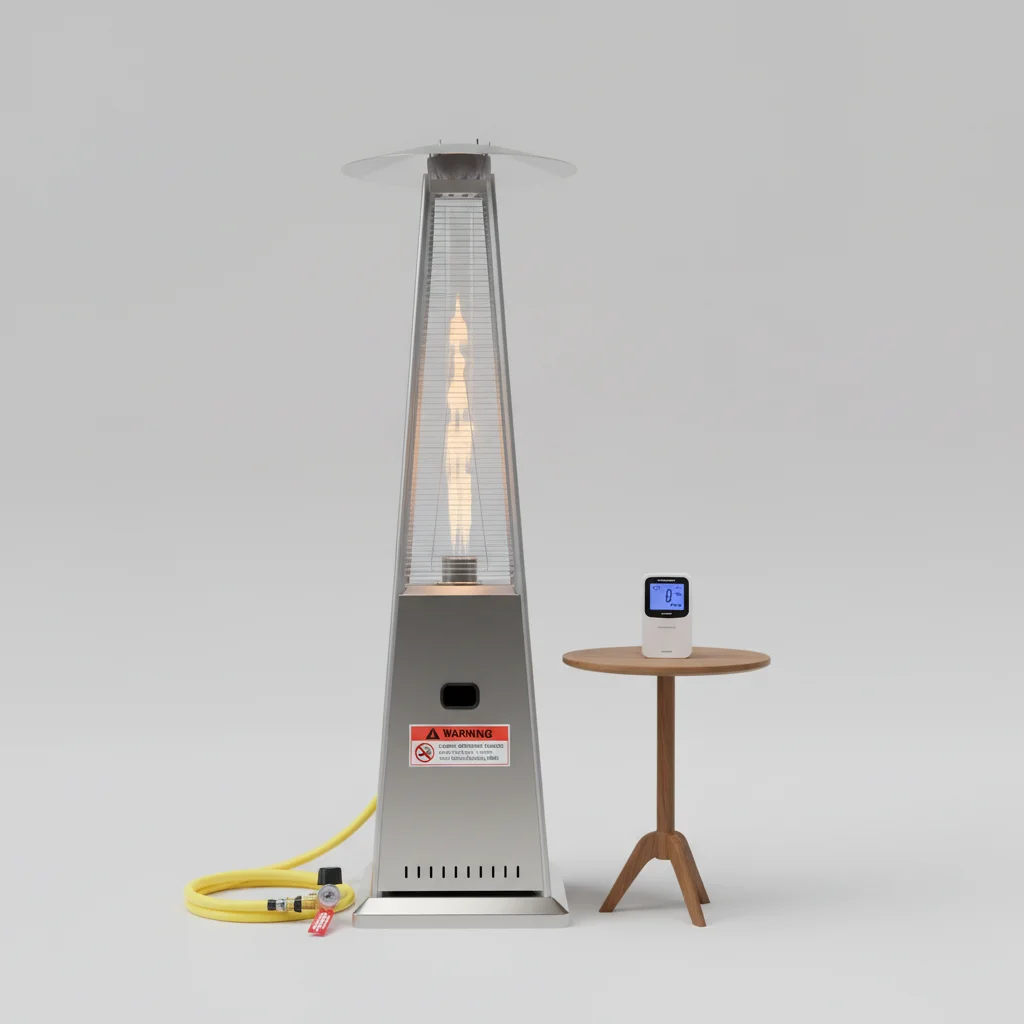
Preventing carbon monoxide poisoning from patio heaters is crucial for outdoor comfort. The primary method involves ensuring adequate ventilation, maintaining proper clearances, and regularly inspecting your unit. Carbon monoxide (CO) is a colorless, odorless gas produced by incomplete combustion, and even small amounts can be dangerous. There are five key steps you can take to significantly reduce this risk.
Understanding Carbon Monoxide Risks with Patio Heaters
Patio heaters, whether propane or natural gas, produce exhaust gases that contain carbon monoxide. While designed for outdoor use, improper placement or use in enclosed or poorly ventilated areas can lead to a dangerous buildup of CO. Symptoms of carbon monoxide poisoning include headache, dizziness, nausea, and confusion, and prolonged exposure can be fatal. It’s essential to recognize that CO can accumulate even in seemingly open spaces if airflow is restricted.
Ensure Ample Ventilation and Proper Placement
The most critical factor in preventing CO poisoning is ensuring your patio heater is always used in a well-ventilated outdoor area. Never operate a patio heater indoors, in a garage, or under a fully enclosed tent. Maintain a minimum clearance of 2-3 feet from ceilings and walls, and ensure there’s open air circulation around the unit. If using a heater under a partially enclosed patio cover, verify that at least two sides are completely open to the outside air.
Regular Maintenance and Inspection of Your Heater
|
Our Picks for the Best Patio Heater in 2026
As an Amazon Associate I earn from qualifying purchases.
|
||
| Num | Product | Action |
|---|---|---|
| 1 | EAST OAK 50,000 BTU Patio Heater for Outdoor Use with Round Table Design, Double-Layer Stainless Steel Burner, Wheels, Triple Protection System, Outdoor Heater for Home and Residential, Black |

|
| 2 | Amazon Basics 46,000 BTU Portable Outdoor Propane Patio Heater with Wheels, Commercial & Residential with Water Tank, Adjustable Heat Output, 9-Foot Radius, Slate Gray, 32.1"L x 32.1"W x 91.3"H |
|
| 3 | EAST OAK One-Hand Ignition Patio Heater with Enhanced Burner Head, 50,000 BTU Propane Outdoor Heater, One-Person Install, Round Table Design for Porch, Garden, Balcony, Backyard |
|
| 4 | Patio Heater for Outdoor Use, Infrared Electric Outdoor Heater, 1500W Instant Heating, 60-Degree Oscillation, 9 Heat Levels, 9H Timer, Remote, for Garage, Backyard, Large Room, Indoor, 32.2", White |
|
| 5 | VEVOR 50000BTU Propane Patio Heater for Outdoor Use, Tall Hammered With Round Table Design, Metal Burner and Wheels, Fixed Flame Heater for Party, Backyard, Garden, Bronze |
|
| 6 | EAST OAK 50,000 BTU Patio Heater for Outdoor Use With Round Table Design, Double-Layer Stainless Steel Burner and Wheels, Outdoor Patio Heater for Home and Commercial, Bronze, 31.9" x 31.9" x 86.6" |
|
| 7 | 50,000 BTU Patio Heater - Propane Patio Heater with Sand Box, Double-Layer Stainless Steel Burner, Round Table Design Space Heater, Outdoor Heaters with Wheels for Garden and Patio, Brown |
|
| 8 | EAST OAK 50,000 BTU Patio Heater with Sand Box, Table Design, Double-Layer Stainless Steel Burner, Wheels, Triple Protection System, Outdoor Heater for Home and Residential, Pinecone |
|
| 9 | EAST OAK 55,000 BTU Propane Patio Heater with Round Table & Stainless Steel Burner, Outdoor Heater with Wheels, Ideal For Large Patios, Gardens, Outdoor Events, and Commercial Use, Bronze |
|
| 10 | 50,000 BTU Patio Heater - Propane Patio Heater with Sand Box, Double-Layer Stainless Steel Burner Space Heater, Outdoor Heaters with Wheels, Used for Garden, Patio and Residential, Brown |
|
Regular maintenance plays a vital role in safe operation. Annually, inspect your patio heater for any signs of damage, blockages, or wear. Check the burner for rust or debris that could impede proper combustion. Ensure all gas lines and connections are secure and free of leaks. A dirty or malfunctioning burner can lead to incomplete combustion, increasing CO production. Consider professional servicing if you notice unusual flames or smells.
- Inspect burner and pilot light for blockages or damage.
- Check gas lines and connections for leaks using a soapy water solution.
- Clean the reflector and emitter screen to ensure efficient heat distribution.
- Verify that the tip-over switch is functioning correctly.
- Replace worn-out hoses or regulators immediately.
Install Carbon Monoxide Detectors in Adjacent Indoor Areas
While patio heaters are for outdoor use, it’s a good practice to have carbon monoxide detectors installed in any adjacent indoor living spaces, especially if the heater is placed near doors or windows. This provides an extra layer of protection, alerting you if any CO inadvertently drifts indoors. Ensure these detectors are regularly tested and have fresh batteries.
Never Leave Heaters Unattended or Use While Sleeping
Always supervise your patio heater when it’s in operation. Never leave it running unattended, especially for extended periods, and absolutely never use it while sleeping, even in an outdoor setting. If you need to leave the area, turn off the heater. This practice minimizes the risk of both CO exposure and fire hazards.For added peace of mind, consider models with automatic shut-off features.
Educate Yourself and Others on Safe Practices
Understanding and adhering to the manufacturer’s instructions is paramount. Each patio heater model may have specific safety guidelines regarding clearances and operation. Share these safety tips with anyone who might operate the heater. Being informed and proactive about patio heater safety ensures you can enjoy your outdoor spaces comfortably and without risk.Always prioritize safety over convenience when using any combustion-based heating appliance.
Get our weekly buyer guide
Practical specs, not advice. Unsubscribe anytime.
