Choosing between a mushroom and a pyramid patio heater depends on whether you prioritize widespread heat distribution or aesthetic ambiance. Mushroom heaters, often with 46,000-47,000 BTUs, excel at warming larger areas with a 360-degree heat umbrella, making them functional workhorses. Pyramid heaters, while providing similar BTU outputs (40,000-48,000 BTUs), offer a captivating visible flame and modern design, best suited for intimate spaces where visual appeal is key.
Understanding Outdoor Patio Heaters
Patio heaters are outdoor appliances designed to keep you and your guests comfortable as temperatures drop. Unlike traditional indoor heating systems that warm the air, patio heaters primarily utilize infrared technology. This means they heat objects and people directly in their path, rather than attempting to warm the vast open air. This characteristic makes them exceptionally effective in outdoor environments, even when a light breeze is present. From bustling restaurant terraces to tranquil backyard decks, these heaters extend the usability of outdoor spaces, allowing for year-round enjoyment. The evolution of patio heaters has brought forth a variety of styles and fuel types, with mushroom and pyramid designs standing out as two prominent choices, each offering distinct advantages tailored to different needs and aesthetic preferences. Key factors to consider when selecting any patio heater include the size of the area you intend to heat, the available fuel sources, and the overall design that best complements your outdoor decor.
Types of Patio Heaters: A Detailed Look
Outdoor heating solutions come in various forms, but mushroom-style and pyramid-style heaters are frequently chosen for their effectiveness and design. While electric and wood pellet options also exist, propane-fueled freestanding models often dominate residential and commercial outdoor spaces due to their powerful output and portability. Understanding the unique characteristics of each type is crucial in deciding which will best serve your patio heating requirements.
Mushroom Heaters: The Functional Workhorse
Mushroom patio heaters, easily recognizable by their tall pole and wide, mushroom-shaped reflector head, are a common sight in outdoor dining areas and residential patios. They typically run on propane, with the tank neatly concealed within the base, or can be permanently plumbed for natural gas. These heaters generate heat at the burner, which then rises to the reflector, bouncing downwards and outwards to create a wide “heat umbrella” or a 360-degree radiant zone.
- Advantages: Mushroom heaters are renowned for their efficient and widespread heat distribution. Many models boast high BTU outputs, commonly ranging from 46,000 to 47,000 BTUs, allowing them to comfortably warm a significant area. Their straightforward design often translates to a lower initial cost compared to their pyramid counterparts, making them a practical, budget-friendly option. Propane-powered units are often portable, equipped with wheels, allowing you to easily reposition the warmth wherever it’s most needed.
- Disadvantages: While highly functional, the aesthetic appeal of mushroom heaters is often described as more utilitarian or “prosaic” compared to the dramatic flair of pyramid heaters. Their tall stature and wide reflector can also demand significant overhead clearance, potentially limiting placement options on covered patios or those with lower ceilings. Although effective in still air, their broad heat distribution can be more susceptible to strong winds, which may disperse the warmth more quickly.
- Usage Notes: For optimal performance, position mushroom heaters in open areas where their 360-degree heat can radiate freely. Ensure adequate clearance from walls, ceilings, and flammable materials, typically at least 2 to 3 feet overhead and 1 to 2 feet from sides, to prevent fire hazards and ensure proper ventilation.
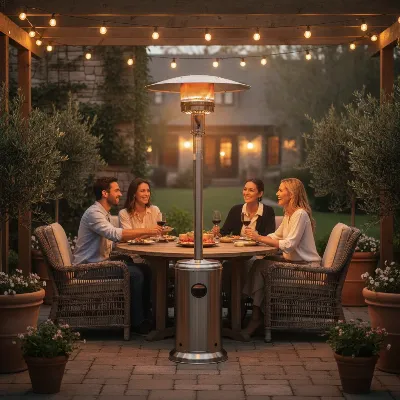 Classic mushroom patio heater warming an outdoor dining area, highlighting its broad heat distribution
Pyramid Heaters: The Ambiance Creator
|
Our Picks for the Best Patio Heater in 2026
As an Amazon Associate I earn from qualifying purchases.
|
||
| Num | Product | Action |
|---|---|---|
| 1 | EAST OAK One-Hand Ignition Patio Heater with Enhanced Burner Head, 50,000 BTU Propane Outdoor Heater, One-Person Install, Round Table Design for Porch, Garden, Balcony, Backyard |

|
| 2 | EAST OAK 50,000 BTU Patio Heater for Outdoor Use with Round Table Design, Double-Layer Stainless Steel Burner, Wheels, Triple Protection System, Outdoor Heater for Home and Residential, Black |
|
| 3 | EAST OAK 50,000 BTU Patio Heater for Outdoor Use With Round Table Design, Double-Layer Stainless Steel Burner and Wheels, Outdoor Patio Heater for Home and Commercial, Bronze, 31.9" x 31.9" x 86.6" |
|
| 4 | EAST OAK 55,000 BTU Propane Patio Heater with Round Table & Stainless Steel Burner, Outdoor Heater with Wheels, Ideal For Large Patios, Gardens, Outdoor Events, and Commercial Use, Bronze |
|
| 5 | 50,000 BTU Patio Heater - Propane Patio Heater with Sand Box, Double-Layer Stainless Steel Burner, Round Table Design Space Heater, Outdoor Heaters with Wheels for Garden and Patio, Brown |
|
| 6 | VEVOR 50000BTU Propane Patio Heater for Outdoor Use, Tall Hammered With Round Table Design, Metal Burner and Wheels, Fixed Flame Heater for Party, Backyard, Garden, Bronze |
|
| 7 | 50,000 BTU Patio Heater - Propane Patio Heater with Sand Box, Double-Layer Stainless Steel Burner Space Heater, Outdoor Heaters with Wheels, Used for Garden, Patio and Residential, Brown |
|
| 8 | Amazon Basics 46,000 BTU Portable Outdoor Propane Patio Heater with Wheels, Commercial & Residential with Water Tank, Adjustable Heat Output, 9-Foot Radius, Slate Gray, 32.1"L x 32.1"W x 91.3"H |
|
| 9 | Patio Heater for Outdoor Use, Infrared Electric Outdoor Heater, 1500W Instant Heating, 60-Degree Oscillation, 9 Heat Levels, 9H Timer, Remote, for Garage, Backyard, Large Room, Indoor, 32.2", White |
|
| 10 | EAST OAK 50,000 BTU Patio Heater with Sand Box, Table Design, Double-Layer Stainless Steel Burner, Wheels, Triple Protection System, Outdoor Heater for Home and Residential, Pinecone |
|
Pyramid patio heaters are distinguished by their sleek, triangular design, often featuring a mesmerizing visible flame dancing within a clear glass tube. These heaters are primarily propane-fueled, offering both warmth and a captivating visual centerpiece for any outdoor setting. The flame travels vertically up the quartz glass tube, creating a focal point that enhances the ambiance of your patio, deck, or garden.
- Advantages: The primary draw of pyramid heaters is their stunning aesthetic appeal. The visible flame provides a unique visual warmth, acting as a decorative element and conversation starter. Their modern, sculptural form can seamlessly integrate into contemporary outdoor decor, giving the impression of stylish outdoor furniture. Many models include excellent safety features such as tip-over shut-off mechanisms and flame-out gas shut-off. The enclosed flame also makes them relatively safer to be around compared to open flame alternatives.
- Disadvantages: While visually striking, pyramid heaters generally offer less effective heat distribution over a wide area compared to mushroom heaters. The heat tends to radiate more upwards along the flame tube, providing more focused warmth closer to the unit. Consumers often report that the heat feels 20-30% less powerful than traditional mushroom designs, meaning you trade some heating efficiency for aesthetics. Premium models can also have a higher initial cost. The glass tube, while beautiful, can be fragile and requires careful handling during assembly and relocation. Strong winds can cause the flame to flicker or even extinguish, impacting both warmth and visual appeal.
- Usage Notes: Pyramid heaters are best suited for smaller, more intimate outdoor spaces or as supplementary heaters to create a focal point. Place them where their visual flame can be appreciated, ensuring they are stable and protected from excessive wind. Maintain at least a 1-foot clearance from the ceiling in covered areas and keep the glass tube clean for optimal flame visibility and heat output.
Other Patio Heater Types
While mushroom and pyramid heaters dominate the freestanding gas heater market, other types include:
- Electric Heaters: These offer plug-and-go convenience and are suitable for enclosed areas as they produce no emissions. However, they generally provide less heat than propane models and require a power outlet. Infrared electric heaters can be highly efficient in their directional heating.
- Wood Pellet Heaters: Brands like Solo Stove offer tower heaters that use wood pellets, providing an eco-friendly way to enjoy a natural flame experience without the mess of a traditional fire pit. These focus on ambiance and a more rustic feel.
- Tabletop Heaters: Compact and portable, ideal for small gatherings around a dining table, though with lower BTU output.
Comparing Mushroom and Pyramid Patio Heaters
Choosing between a mushroom and a pyramid patio heater often boils down to prioritizing function versus aesthetics. Both serve the fundamental purpose of warming an outdoor space, but they achieve this with different strengths and trade-offs.
Here’s a detailed comparison to help you weigh your options:
| Feature | Mushroom Patio Heaters | Pyramid Patio Heaters |
|---|---|---|
| Heat Output | Excellent, often 46,000-47,000 BTUs. Wide, 360-degree heat distribution. | Good, typically 40,000-48,000 BTUs but less effective spread. Heat is more localized/upward. |
| Heat Coverage | Large circular “heat umbrella,” ideal for bigger groups and areas. | More focused, close-range warmth. Visual heat perception enhances comfort. |
| Aesthetics | Functional, utilitarian design. | Highly stylish, modern, with mesmerizing visible flame. Acts as a centerpiece. |
| Ambiance | Primarily warmth. | Visual flame creates significant aesthetic appeal and cozy atmosphere. |
| Fuel Type | Primarily propane (portable), natural gas (permanent). | Primarily propane. Some electric LED options exist. |
| Portability | Good, often with wheels. Generally easier to move on varied surfaces. | Moderate. Equipped with wheels, but glass tube makes moving on rough surfaces “unnerving.” |
| Safety Features | Tip-over shut-off, flame-out gas shut-off. Controls often higher up. | Tip-over shut-off, flame-out gas shut-off, enclosed flame for touch safety. |
| Wind Resistance | Moderate. Can feel decent in light breeze under reflector, but strong winds disperse heat. | Lower. Flame can flicker or extinguish in gusty conditions, affecting warmth and visual. |
| Assembly | Generally straightforward. | Can be lengthy and complex due to multiple parts and glass tube. |
| Maintenance | Routine cleaning of reflector and burner. | Routine cleaning of burner and glass tube. Glass tube prone to smudges. |
| Initial Cost | Often more budget-friendly. | Generally higher, especially for premium models. |
| Placement | Best in open areas where heat can spread freely; requires overhead clearance. | Ideal for intimate spaces or as a visual focal point; requires adequate surrounding space for stability. |
“While mushroom heaters excel in sheer heating power and coverage, pyramid heaters win on style and creating that undeniable ‘wow’ factor. It’s truly a choice between the workhorse and the showpiece for your outdoor comfort.” – Dr. Elena Petrova, Lead Engineer, Outdoor Heating Solutions
Guide to Purchasing Your Patio Heater
Selecting the perfect patio heater involves more than just picking a design you like. It requires a thoughtful evaluation of your specific needs, the environment it will operate in, and long-term considerations.
Determining Your Usage Needs
Before you start browsing models, consider these crucial questions:
- Area to Heat: How large is your patio, deck, or gathering space? A mushroom heater with a wide heat radius is better for larger, open areas. For smaller, more intimate zones, or just adding a touch of warmth near a conversation set, a pyramid heater might suffice. Look at the BTU output, as bigger spaces or colder climates demand 40,000 BTUs or more.
- Frequency of Use: Will you use it daily, or just for occasional gatherings? If frequent use, consider operating costs and fuel efficiency. Natural gas, while requiring professional installation, generally has lower long-term operating costs than propane.
- Budget: Determine your acceptable range for both the initial purchase and ongoing fuel costs. Premium models, while more expensive upfront, often offer better durability and efficiency over time.
Choosing the Right Heater Type
Based on the comparison above, decide which type aligns best with your priorities:
- For Maximum Warmth and Coverage: Opt for a mushroom-style propane heater, especially if you prioritize function over elaborate aesthetics and need to warm a larger crowd.
- For Ambiance and Style: A pyramid flame heater is an excellent choice if you want a striking visual element that provides comfort and transforms your patio into an elegant retreat. Be prepared for a slightly smaller effective heat radius.
- Consider Fuel Type: Propane offers portability, while natural gas provides continuous fuel and lower running costs but requires permanent installation. Electric is great for enclosed spaces or specific directional heating.
Key Considerations When Buying
- BTU Output: This measures the heater’s power. A general guideline is 40,000+ BTUs for larger spaces (up to 2,000 sq ft, though real-world effectiveness varies), while smaller tabletop models might be 10,000 BTUs for intimate settings.
- Material Quality: Look for durable materials like 430-grade stainless steel for better rust resistance, especially in coastal areas. Quality construction ensures longevity.
- Safety Features: Essential features include anti-tilt auto-shutoff and flame-out protection. Ensure the unit is CSA or ETL certified.
- Mobility: If you plan to move the heater frequently, ensure it has sturdy wheels. Be mindful of the pyramid heater’s glass tube when moving on uneven surfaces.
- Brand Reputation & Warranty: Research reputable brands known for quality and customer service. A good warranty provides peace of mind.
Leading Patio Heater Brands
The market for patio heaters is robust, with several manufacturers consistently delivering quality products in both mushroom and pyramid styles. Familiarizing yourself with these brands can guide your purchasing decision towards reliable and well-regarded options.
- Amazon Basics: Known for offering reliable and budget-friendly mushroom-style propane heaters, often with high BTU outputs (e.g., 46,000 BTU) and basic safety features. These are popular for their practicality and value.
- Sunjoy: The Sunjoy Avanti is a notable mushroom-style heater (e.g., 47,000 BTU) praised for its heat output, ease of assembly, and safety features like automatic shutoff.
- East Oak: This brand is recognized for powerful mushroom-style heaters (e.g., 50,000 BTU) that balance heat output, ease of use, and a stable, appealing design.
- Hiland: A prominent name in pyramid-style heaters, Hiland models like the Hiland Pyramid Patio Propane Heater offer an eye-catching design with a visible flame. They are often highlighted for their aesthetic appeal as a patio centerpiece.
- Fire Sense: The Fire Sense Pyramid Flame Patio Heater is frequently cited as a top choice for its stylish stainless steel exterior and captivating glass flame tube, providing both warmth and ambiance.
- Lava Heat: Considered a premium brand, Lava Heat offers high-BTU pyramid flame heaters (up to 61,000 BTU) in various styles, known for heavy-duty construction and sometimes including remote controls.
- Pamapic: Offers pyramid heaters that combine style, strength, and performance, with high BTU outputs for effective heating and attractive designs.
- Sunglo: While offering various outdoor heating solutions, Sunglo is particularly noted for its high-quality mushroom heaters, available in natural gas and propane, suitable for high-traffic outdoor spaces.
When considering a brand, always check recent reviews for specific models, paying attention to user feedback on heat performance, assembly difficulty, and long-term durability.
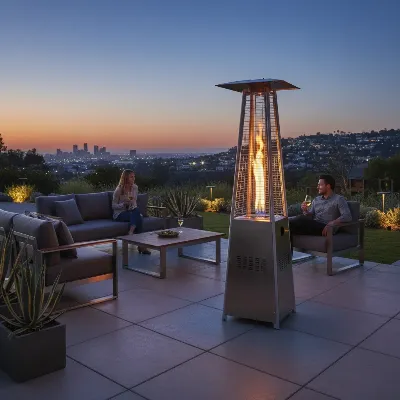 Sleek pyramid patio heater with visible flame tube creating modern outdoor ambiance
Tips for Using and Maintaining Your Patio Heater
To ensure your patio heater operates safely, efficiently, and lasts for many seasons, proper usage and diligent maintenance are key.
Safe and Effective Operation
- Placement is Paramount: Always position your heater on a stable, level surface to prevent tipping. Ensure ample clearance around the top and sides from any combustible materials, including walls, ceilings, umbrellas, and curtains. Typically, this means at least 2-3 feet overhead and 1-2 feet from any vertical surfaces. Sheltered spots can help maximize heat output and fuel efficiency by minimizing wind interference.
- Ventilation: Gas-powered heaters, whether mushroom or pyramid, require proper ventilation. Never use them in fully enclosed spaces to avoid carbon monoxide buildup.
- Ignition and Shut-off: Familiarize yourself with your heater’s ignition system. Many feature easy push-button igniters. Always turn off the gas supply at the tank when the heater is not in use, and allow the unit to cool completely before covering or moving.
- Wind Conditions: Be mindful of wind. While some heaters can tolerate a light breeze, strong gusts can significantly reduce effectiveness and potentially extinguish flames, especially in pyramid models. If winds are high, it’s safer to turn off and secure your heater.
- Children and Pets: Keep children and pets away from operating heaters. The metal grilles of pyramid heaters may only get warm, but the heat output can still be intense, and the glass tube is fragile.
Extending Longevity Through Maintenance
- Regular Cleaning: Keep the reflector (for mushroom heaters) and the glass tube (for pyramid heaters) clean. Dust, debris, and smudges can impede heat distribution and dim the visual flame. Use a soft cloth and mild cleaner as recommended by the manufacturer.
- Inspect Connections: Periodically check gas lines and connections for any signs of wear, leaks, or damage. A soapy water solution can reveal gas leaks through bubbling.
- Burner Maintenance: Ensure the burner area is free from insects, cobwebs, or debris, which can block orifices and affect performance. Consult your manual for specific cleaning instructions.
- Proper Storage: When not in use, especially during off-seasons or inclement weather, store your patio heater in a dry, protected area. Many come with covers, which are excellent for protecting against dust, moisture, and UV damage. Disconnect and store propane tanks separately in an upright, well-ventilated area outdoors.
- Battery Check: For models with electronic ignition, check and replace the AA battery regularly to ensure reliable startup.
Troubleshooting Common Issues
- Heater Won’t Ignite: Check the propane tank level, ensure the gas valve is fully open, verify the igniter battery, and clean the pilot light/burner assembly.
- Low Heat Output: This can be due to low fuel, wind interference, or an obstructed burner. Ensure proper clearance and placement.
- Flame Blows Out: Often caused by wind. Try repositioning the heater in a more sheltered spot. Check gas connections if it happens frequently in calm conditions.
- Glass Tube Issues (Pyramid): If the flame looks weak or irregular, the tube might be dirty or there could be a gas flow issue. If the tube is cracked, it must be replaced for safety.
Conclusion
Choosing between a mushroom and a pyramid patio heater ultimately comes down to your priorities for outdoor living. If your primary goal is to efficiently warm a larger space, offering widespread comfort with a straightforward design, the mushroom patio heater remains an excellent, often more budget-friendly, choice. Its robust heat output and expansive coverage make it a functional workhorse. However, if ambiance, modern aesthetics, and a captivating visual experience are paramount, and you prefer a stylish centerpiece for more intimate gatherings, the pyramid flame heater, with its mesmerizing visible flame, will undoubtedly enhance your outdoor haven.
Both types offer substantial benefits for extending your time outdoors, but they cater to different desires. By considering the effective heating radius, aesthetic integration, specific safety features, and long-term maintenance, you can confidently select the patio heater that best suits your lifestyle and transforms your patio into a welcoming retreat. Which type of heater best reflects the unique character and needs of your outdoor space?
Frequently Asked Questions
Which patio heater style provides more heat for a large gathering?
For large gatherings, mushroom-style patio heaters generally provide more effective and widespread heat coverage. Their broad reflector tops distribute warmth in a 360-degree radius, making them ideal for warming bigger areas and multiple people simultaneously, often with 46,000-47,000 BTUs.
Are pyramid patio heaters safe with children around?
Pyramid patio heaters are generally considered safe due to their enclosed flame within a glass tube and typically stable design. Many also feature tip-over shut-off mechanisms. However, direct supervision is always recommended, and the glass tube can become warm to the touch and is fragile.
Can mushroom and pyramid heaters both run on natural gas?
While most portable mushroom and pyramid heaters use propane, some mushroom-style models are available for natural gas, requiring a permanent gas line connection. Natural gas options for pyramid heaters are less common but do exist, typically for permanent installations.
How much clearance is needed above a patio heater?
For safety, you typically need at least 2-3 feet of vertical clearance above a gas patio heater from any combustible materials. Always consult your specific heater's manual, as requirements can vary by model, but 2 feet is a common minimum.
Do pyramid heaters consume more propane than mushroom heaters?
Propane consumption is largely dependent on the BTU output and the setting used, not just the style. While pyramid heaters might feel less efficient in terms of widespread heat, many have similar BTU ratings to mushroom heaters (40,000-48,000 BTUs). However, if you run a pyramid heater on high to compensate for less effective spread, it might consume propane faster.
What is the average lifespan of a quality patio heater?
With proper care, maintenance, and storage, a quality gas patio heater (both mushroom and pyramid styles) can last anywhere from 5 to 15 years or more. Factors like material quality, frequency of use, and protection from the elements significantly influence its longevity.
Get our weekly buyer guide
Practical specs, not advice. Unsubscribe anytime.

We were debating between the two types for ages, and the info on infrared technology really helped us decide. We ended up with a pyramid heater for our fire pit area, and it’s perfect. It heats us directly without trying to warm the whole backyard, which is exactly what we needed. Plus, it looks fantastic!
We finally pulled the trigger on a mushroom patio heater after reading up on the heat distribution. It really does make a huge difference for our larger patio! We can comfortably sit out there even when it’s chilly, and the 360-degree heat umbrella is no joke. Definitely recommend for anyone with a bigger outdoor space.
Got a mushroom heater with 46,000 BTUs and it works okay, but I was hoping for a bit more warmth on really cold nights. It heats people directly, which is good, but the overall ambient temperature doesn’t feel as high as I expected. Still, it’s better than nothing and lets us use the patio longer.
I went with a pyramid heater for our smaller deck, mostly for the look. The visible flame is super cool and adds a great vibe to our evening gatherings. It does a good job keeping us warm in a more intimate setting, just as mentioned. It’s not quite as powerful as some of the mushroom ones I’ve used before, but the aesthetic totally makes up for it.