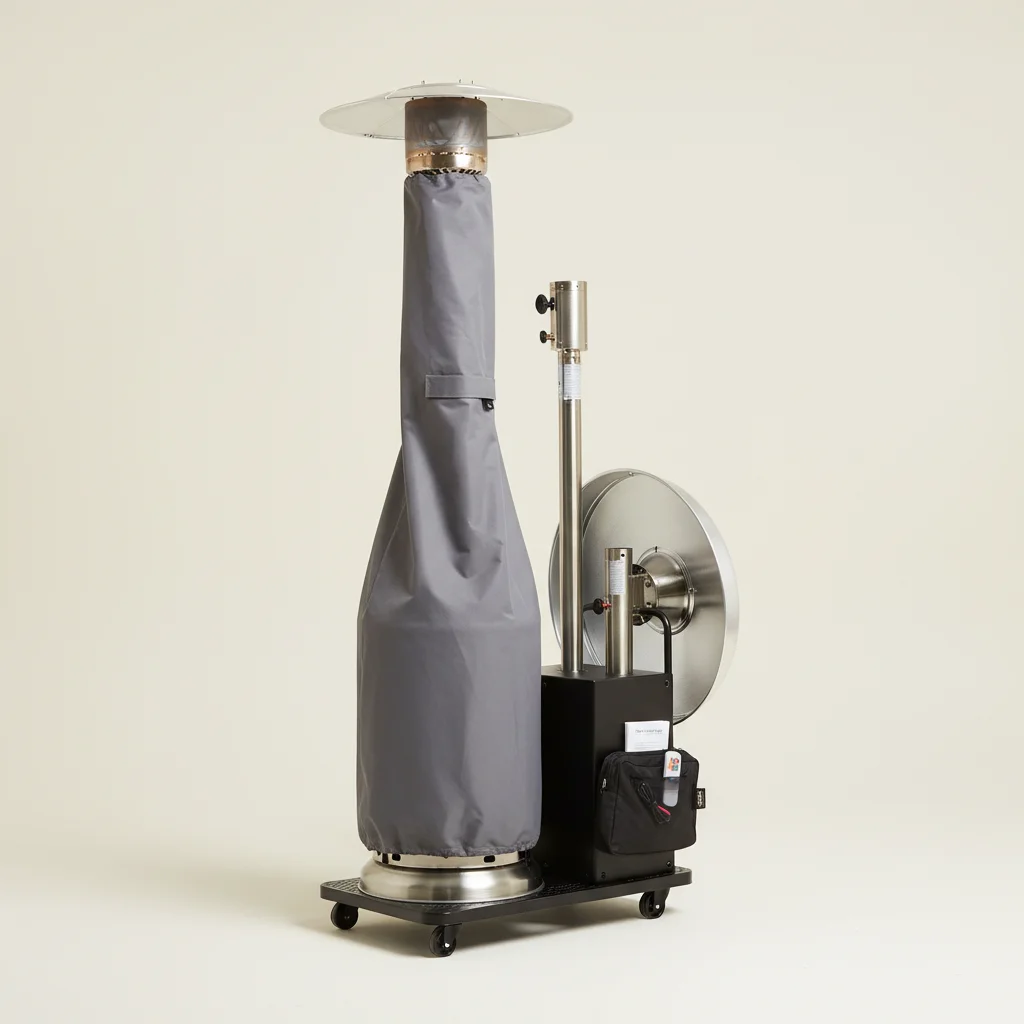
Proper patio heater storage is crucial for extending its lifespan and ensuring it’s ready for the next season. You should prepare your patio heater for off-season storage by thoroughly cleaning it, disconnecting and storing fuel sources, and covering it with a weather-resistant cover, ideally in a dry, sheltered location.
Why Proper Storage Matters for Your Patio Heater
Storing your patio heater correctly prevents premature wear and tear, corrosion, and damage from harsh weather conditions. Exposure to rain, snow, dust, and extreme temperatures can degrade components like the burner, reflector, and igniter, leading to costly repairs or replacements. A well-stored heater will perform more efficiently and safely when you bring it out again.
Neglecting proper storage can also void warranties for some models, as manufacturers often specify care instructions that include off-season protection. Investing a small amount of time in preparation can save you significant money and hassle in the long run.
Essential Steps for Off-Season Preparation
Before storing your patio heater, follow these essential steps. First, ensure the heater is completely cool to the touch. For propane models, turn off the gas supply at the tank and disconnect the regulator. For electric models, unplug the unit from the power source. This prevents accidents during cleaning and handling.
Next, give the entire unit a thorough cleaning. Wipe down all surfaces with a damp cloth and mild soap to remove dirt, dust, and grime. Pay special attention to the burner area and reflector, as these can accumulate soot and debris. A soft brush can help dislodge stubborn residue. Ensure all parts are completely dry before proceeding to prevent rust.
Fuel Source Management for Storage
Managing your fuel source correctly is paramount for safety during storage. For propane patio heaters, always remove the propane tank. Store propane tanks upright in a well-ventilated outdoor area, away from direct sunlight, heat sources, and ignition sources. Never store propane tanks indoors, in basements, or in enclosed sheds, as this poses a significant fire and explosion risk.
Electric patio heaters do not have fuel tanks, but it’s important to coil their power cords neatly and secure them to prevent damage. Inspect the cord for any fraying or cuts before storage, and consider replacing it if damage is found. Natural gas heaters require professional disconnection if you plan to move them for storage.
Choosing the Right Storage Location
|
Our Picks for the Best Patio Heater in 2026
As an Amazon Associate I earn from qualifying purchases.
|
||
| Num | Product | Action |
|---|---|---|
| 1 | Amazon Basics 46,000 BTU Portable Outdoor Propane Patio Heater with Wheels, Commercial & Residential with Water Tank, Adjustable Heat Output, 9-Foot Radius, Slate Gray, 32.1"L x 32.1"W x 91.3"H |

|
| 2 | 50,000 BTU Patio Heater - Propane Patio Heater with Sand Box, Double-Layer Stainless Steel Burner, Round Table Design Space Heater, Outdoor Heaters with Wheels for Garden and Patio, Brown |
|
| 3 | EAST OAK 50,000 BTU Patio Heater for Outdoor Use With Round Table Design, Double-Layer Stainless Steel Burner and Wheels, Outdoor Patio Heater for Home and Commercial, Bronze, 31.9" x 31.9" x 86.6" |
|
| 4 | EAST OAK One-Hand Ignition Patio Heater with Enhanced Burner Head, 50,000 BTU Propane Outdoor Heater, One-Person Install, Round Table Design for Porch, Garden, Balcony, Backyard |
|
| 5 | EAST OAK 50,000 BTU Patio Heater for Outdoor Use with Round Table Design, Double-Layer Stainless Steel Burner, Wheels, Triple Protection System, Outdoor Heater for Home and Residential, Black |
|
| 6 | EAST OAK 50,000 BTU Patio Heater with Sand Box, Table Design, Double-Layer Stainless Steel Burner, Wheels, Triple Protection System, Outdoor Heater for Home and Residential, Pinecone |
|
| 7 | VEVOR 50000BTU Propane Patio Heater for Outdoor Use, Tall Hammered With Round Table Design, Metal Burner and Wheels, Fixed Flame Heater for Party, Backyard, Garden, Bronze |
|
| 8 | 50,000 BTU Patio Heater - Propane Patio Heater with Sand Box, Double-Layer Stainless Steel Burner Space Heater, Outdoor Heaters with Wheels, Used for Garden, Patio and Residential, Brown |
|
| 9 | EAST OAK 55,000 BTU Propane Patio Heater with Round Table & Stainless Steel Burner, Outdoor Heater with Wheels, Ideal For Large Patios, Gardens, Outdoor Events, and Commercial Use, Bronze |
|
| 10 | Patio Heater for Outdoor Use, Infrared Electric Outdoor Heater, 1500W Instant Heating, 60-Degree Oscillation, 9 Heat Levels, 9H Timer, Remote, for Garage, Backyard, Large Room, Indoor, 32.2", White |
|
The ideal storage location for your patio heater is a dry, sheltered area that protects it from the elements. A garage, shed, or covered patio is suitable. Avoid storing it in areas prone to high humidity, as this can encourage rust and corrosion. If outdoor storage is unavoidable, ensure the heater is covered with a heavy-duty, waterproof cover.
Consider elevating the heater slightly off the ground if storing it in an area where moisture might accumulate. This can be done using pallets or blocks. Proper ventilation in the storage area is also beneficial to prevent condensation buildup.
The Importance of a Quality Patio Heater Cover
A high-quality patio heater cover is an indispensable accessory for off-season storage. It provides a protective barrier against dust, dirt, moisture, UV rays, and even small pests. Look for covers made from durable, weather-resistant materials like heavy-duty polyester or vinyl, often with a waterproof backing.
- UV Protection: Prevents fading and material degradation from sun exposure.
- Waterproof Barrier: Shields against rain, snow, and condensation.
- Dust and Debris Shield: Keeps internal components clean.
- Wind Resistance: Many covers feature drawstrings or buckles to secure them in windy conditions.
- Breathable Vents: Helps prevent mold and mildew growth by allowing air circulation.
Ensure the cover fits snugly to prevent wind from blowing it off and to provide maximum protection.Investing in a good cover is a small cost compared to replacing a damaged heater.
Final Checks Before Storing
Before you finally put your patio heater away for the season, perform a few final checks. Ensure all nuts and bolts are tightened, as vibrations during use can sometimes loosen them. Check for any visible signs of wear or damage that might need addressing before the next season. It’s often easier to make minor repairs now than when you’re eager to use it again.
If your heater has wheels, ensure they are clean and functioning smoothly. Lubricating any moving parts can also be beneficial. By following these comprehensive steps, your patio heater will be in prime condition for many seasons of outdoor comfort.
Get our weekly buyer guide
Practical specs, not advice. Unsubscribe anytime.

I’ve had my patio heater for years and never really thought about how much neglecting storage could affect the igniter. I’ve had to replace it once already! This year, I made sure to really clean the burner and reflector before putting it away. Hopefully, this will save me some money on repairs next season.
I used to just throw a tarp over my patio heater and call it a day, but after reading about how important proper storage is, I really cleaned it up this year. Disconnecting the propane tank and storing it separately felt like a smart move. I’m hoping this means my heater will last a lot longer and fire right up next fall without any issues.
The advice about covering the heater with a weather-resistant cover is good, but I wish there were more specific recommendations for covers. Mine always seems to get a little mildewy even under a cover in the garage. It’s a hassle to clean it off every spring. Still, the tips about preventing corrosion are helpful.
This was a great reminder about the warranty aspect. I totally forgot that improper storage could void it! I spent a good hour thoroughly cleaning my heater and found a dry spot in the shed for it. It feels good knowing I’m protecting my investment and won’t have to deal with a broken heater when I want to use it again.