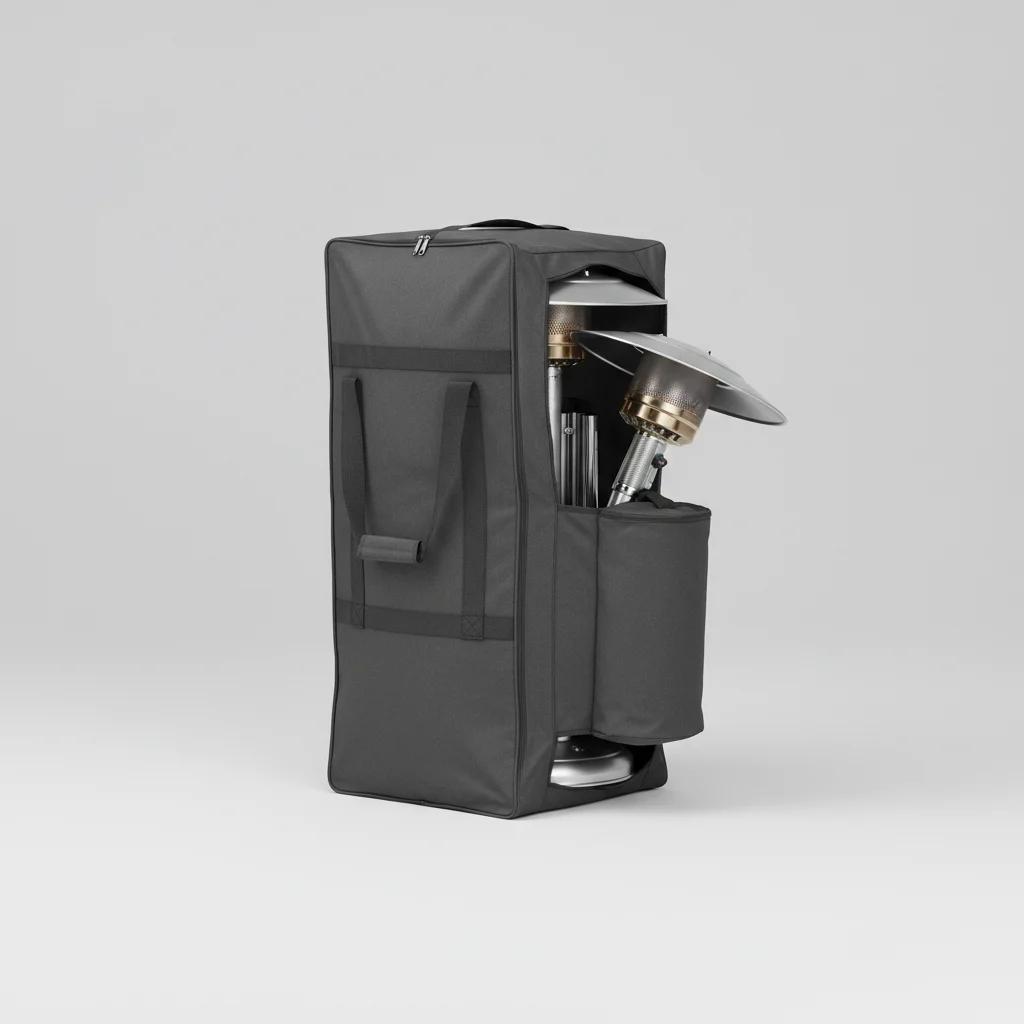
Proper patio heater storage is crucial for extending its lifespan and ensuring it’s ready for use when the colder months return. To effectively protect your unit off-season, you should always clean it thoroughly, disconnect and store fuel sources safely, cover it with a durable, weather-resistant cover, and ideally move it to a sheltered, dry location like a garage or shed. Following these four key steps will prevent rust, dust accumulation, and damage from harsh weather conditions.
Why Proper Storage Matters for Patio Heaters
Neglecting proper storage can significantly shorten the life of your patio heater. Exposure to rain, snow, humidity, and even prolonged direct sunlight can lead to corrosion, fading, and damage to internal components. Dust and debris can clog burners and pilot lights, leading to performance issues or even safety hazards when you try to use it again. A little effort in storage can save you money on repairs or replacements in the long run. For browse all patio heater articles on this site.
Cleaning Your Patio Heater Before Storage
Before putting your patio heater away, a thorough cleaning is essential. Start by ensuring the unit is completely cool. For propane heaters, disconnect the tank. Use a soft brush or compressed air to remove any dust, cobwebs, or debris from the burner assembly, heat reflector, and vents. Wipe down all surfaces with a damp cloth and mild soap, then dry completely to prevent water spots or rust. Pay special attention to stainless steel parts, as they can still corrode if left dirty or wet.
Fuel Source Management and Safety
|
Our Picks for the Best Patio Heater in 2026
As an Amazon Associate I earn from qualifying purchases.
|
||
| Num | Product | Action |
|---|---|---|
| 1 | 50,000 BTU Patio Heater - Propane Patio Heater with Sand Box, Double-Layer Stainless Steel Burner Space Heater, Outdoor Heaters with Wheels, Used for Garden, Patio and Residential, Brown |

|
| 2 | EAST OAK 55,000 BTU Propane Patio Heater with Round Table & Stainless Steel Burner, Outdoor Heater with Wheels, Ideal For Large Patios, Gardens, Outdoor Events, and Commercial Use, Bronze |
|
| 3 | EAST OAK 50,000 BTU Patio Heater for Outdoor Use With Round Table Design, Double-Layer Stainless Steel Burner and Wheels, Outdoor Patio Heater for Home and Commercial, Bronze, 31.9" x 31.9" x 86.6" |
|
| 4 | Patio Heater for Outdoor Use, Infrared Electric Outdoor Heater, 1500W Instant Heating, 60-Degree Oscillation, 9 Heat Levels, 9H Timer, Remote, for Garage, Backyard, Large Room, Indoor, 32.2", White |
|
| 5 | Amazon Basics 46,000 BTU Portable Outdoor Propane Patio Heater with Wheels, Commercial & Residential with Water Tank, Adjustable Heat Output, 9-Foot Radius, Slate Gray, 32.1"L x 32.1"W x 91.3"H |
|
| 6 | VEVOR 50000BTU Propane Patio Heater for Outdoor Use, Tall Hammered With Round Table Design, Metal Burner and Wheels, Fixed Flame Heater for Party, Backyard, Garden, Bronze |
|
| 7 | EAST OAK 50,000 BTU Patio Heater with Sand Box, Table Design, Double-Layer Stainless Steel Burner, Wheels, Triple Protection System, Outdoor Heater for Home and Residential, Pinecone |
|
| 8 | 50,000 BTU Patio Heater - Propane Patio Heater with Sand Box, Double-Layer Stainless Steel Burner, Round Table Design Space Heater, Outdoor Heaters with Wheels for Garden and Patio, Brown |
|
| 9 | EAST OAK One-Hand Ignition Patio Heater with Enhanced Burner Head, 50,000 BTU Propane Outdoor Heater, One-Person Install, Round Table Design for Porch, Garden, Balcony, Backyard |
|
| 10 | EAST OAK 50,000 BTU Patio Heater for Outdoor Use with Round Table Design, Double-Layer Stainless Steel Burner, Wheels, Triple Protection System, Outdoor Heater for Home and Residential, Black |
|
Managing your fuel source correctly is a critical part of patio heater storage. For propane heaters, always disconnect the propane tank and store it upright in a well-ventilated outdoor area, away from direct sunlight and ignition sources. Never store propane tanks indoors. Electric patio heaters should have their power cords neatly wrapped and secured to prevent damage. Ensure all fuel lines and connections are free from kinks or damage before storage.
Choosing the Right Cover and Location
Selecting a high-quality, weather-resistant cover is paramount. Look for covers made from durable materials like heavy-duty polyester or vinyl that are waterproof, UV-resistant, and breathable to prevent condensation. Ensure the cover fits snugly to prevent wind from blowing it off. Once covered, the ideal storage location is a dry, sheltered area such as a garage, shed, or covered patio. This provides an extra layer of protection against extreme temperatures, moisture, and pests.
- Always clean the heater thoroughly before covering.
- Disconnect and safely store propane tanks outdoors.
- Use a heavy-duty, weather-resistant cover.
- Store in a dry, sheltered location like a garage or shed.
- Check for any damage or wear before storing.
Pre-Season Inspection and Maintenance
When it’s time to bring your patio heater out of storage, perform a quick inspection. Check for any signs of rust, damage to the heating element, or frayed electrical cords. Ensure all connections are secure and free of obstructions. For propane heaters, check the gas lines for cracks or leaks. A little pre-season maintenance can ensure your heater operates safely and efficiently throughout the colder months.Consider replacing any worn-out parts like igniters or thermocouples if they show signs of wear.
Get our weekly buyer guide
Practical specs, not advice. Unsubscribe anytime.

I used to just throw a tarp over my patio heater and call it a day, but after reading about how important it is to clean it thoroughly first, I gave it a proper scrub down. It really makes sense to get all the grime off before putting it away for months. My heater looks brand new even after a full season of use, and I’m confident it’ll fire right up next fall.
The tip about disconnecting and storing fuel sources safely was a good reminder. I usually just leave the propane tank attached, but I can see how that’s not the best for long-term storage or safety. I also invested in a proper weather-resistant cover this year instead of just using an old sheet. Hopefully, that keeps the rust away.
I tried to move my large standing patio heater into the shed, but it was just too bulky and heavy to manage by myself. I ended up just covering it well on the patio. I wish there were more tips for those of us with limited storage space or who can’t easily move heavy units. The cleaning advice was still helpful though.
Following these steps has made a huge difference. Last year, my pilot light was constantly getting clogged, and I think it was due to dust accumulation from improper storage. This year, I made sure to store it in my garage, and I’m expecting a much smoother start to the next outdoor season. It’s worth the extra effort to protect the investment.