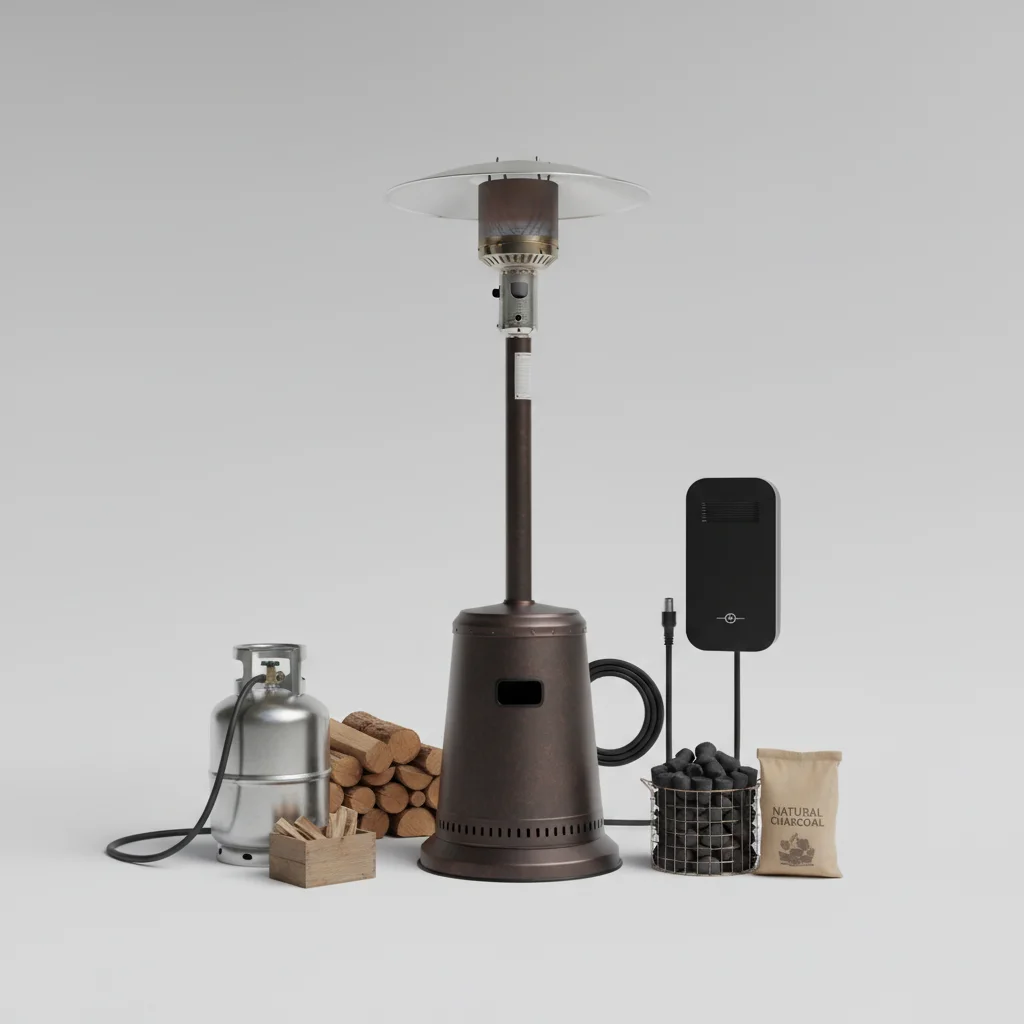
Choosing the right patio heater fuel type is crucial for optimal outdoor comfort and efficiency. There are primarily three main fuel types available for patio heaters: propane, natural gas, and electric. Each offers distinct advantages and disadvantages in terms of cost, convenience, and heating performance, making the best choice dependent on your specific needs and patio setup.
Propane Patio Heaters: Portability and Power
Propane patio heaters are a popular choice due to their portability and powerful heat output. They operate using standard propane tanks, similar to those used for BBQ grills, allowing them to be easily moved to different areas of your patio or yard. This flexibility makes them ideal for spaces where a permanent fuel line isn’t feasible or desired. Propane models typically offer a high BTU output, providing substantial warmth for larger areas.
However, the convenience of portability comes with the need to refill or exchange propane tanks, which can be an ongoing cost and a minor inconvenience. A typical 20-pound propane tank can provide heat for approximately 8-10 hours on a medium setting. It’s also important to store propane tanks safely and ensure proper ventilation when operating these heaters.
Natural Gas Patio Heaters: Unlimited Fuel and Lower Running Costs
Natural gas patio heaters offer the ultimate in convenience with an unlimited fuel supply, provided you have a natural gas line connection on your patio. Once installed, these heaters eliminate the need for refilling tanks, offering continuous heat without interruption. While the initial installation cost can be higher due to the need for professional plumbing to connect to your home’s gas line, the running costs are generally lower than propane over time.
Natural gas heaters are typically stationary once installed, making them a permanent fixture in your outdoor living area. They are an excellent choice for homeowners who frequently use their patio and prefer a hassle-free heating solution. Ensure your natural gas line is properly sized for the heater’s BTU requirements to guarantee efficient operation.
Electric Patio Heaters: Clean, Quiet, and Versatile
|
Our Picks for the Best Patio Heater in 2026
As an Amazon Associate I earn from qualifying purchases.
|
||
| Num | Product | Action |
|---|---|---|
| 1 | EAST OAK 50,000 BTU Patio Heater for Outdoor Use With Round Table Design, Double-Layer Stainless Steel Burner and Wheels, Outdoor Patio Heater for Home and Commercial, Bronze, 31.9" x 31.9" x 86.6" |

|
| 2 | EAST OAK 50,000 BTU Patio Heater for Outdoor Use with Round Table Design, Double-Layer Stainless Steel Burner, Wheels, Triple Protection System, Outdoor Heater for Home and Residential, Black |
|
| 3 | Patio Heater for Outdoor Use, Infrared Electric Outdoor Heater, 1500W Instant Heating, 60-Degree Oscillation, 9 Heat Levels, 9H Timer, Remote, for Garage, Backyard, Large Room, Indoor, 32.2", White |
|
| 4 | EAST OAK One-Hand Ignition Patio Heater with Enhanced Burner Head, 50,000 BTU Propane Outdoor Heater, One-Person Install, Round Table Design for Porch, Garden, Balcony, Backyard |
|
| 5 | EAST OAK 55,000 BTU Propane Patio Heater with Round Table & Stainless Steel Burner, Outdoor Heater with Wheels, Ideal For Large Patios, Gardens, Outdoor Events, and Commercial Use, Bronze |
|
| 6 | 50,000 BTU Patio Heater - Propane Patio Heater with Sand Box, Double-Layer Stainless Steel Burner, Round Table Design Space Heater, Outdoor Heaters with Wheels for Garden and Patio, Brown |
|
| 7 | Amazon Basics 46,000 BTU Portable Outdoor Propane Patio Heater with Wheels, Commercial & Residential with Water Tank, Adjustable Heat Output, 9-Foot Radius, Slate Gray, 32.1"L x 32.1"W x 91.3"H |
|
| 8 | EAST OAK 50,000 BTU Patio Heater with Sand Box, Table Design, Double-Layer Stainless Steel Burner, Wheels, Triple Protection System, Outdoor Heater for Home and Residential, Pinecone |
|
| 9 | 50,000 BTU Patio Heater - Propane Patio Heater with Sand Box, Double-Layer Stainless Steel Burner Space Heater, Outdoor Heaters with Wheels, Used for Garden, Patio and Residential, Brown |
|
| 10 | VEVOR 50000BTU Propane Patio Heater for Outdoor Use, Tall Hammered With Round Table Design, Metal Burner and Wheels, Fixed Flame Heater for Party, Backyard, Garden, Bronze |
|
Electric patio heaters are known for their clean operation, quiet performance, and versatility. They produce no emissions, making them an environmentally friendly option, and require only an electrical outlet for power. Many electric models utilize infrared technology, which directly heats objects and people rather than the air, providing efficient and immediate warmth. They are available in various forms, including freestanding, wall-mounted, and hanging designs, offering flexibility for different patio configurations.
While electric heaters are generally less powerful than their gas counterparts in terms of overall heat output for very large spaces, they are perfect for smaller, enclosed patios or specific zones. Their running costs can vary depending on local electricity rates, but they require minimal maintenance. Always ensure your outdoor electrical outlets are rated for the heater’s wattage to prevent overloading circuits.
Key Considerations When Choosing Your Fuel Type
When deciding between propane, natural gas, and electric patio heaters, several factors should influence your choice:
- Patio Size: Larger patios often benefit from the higher BTU output of gas heaters, while electric models are excellent for smaller, more defined areas.
- Installation Requirements: Consider the availability of natural gas lines or suitable electrical outlets. Propane offers the most flexibility for placement.
- Running Costs: Evaluate the long-term costs of propane refills, natural gas rates, or electricity consumption in your area.
- Environmental Impact: Electric heaters produce no direct emissions, making them the cleanest option.
- Portability Needs: If you need to move your heater frequently, propane is the clear winner.
By carefully weighing these considerations, you can select the patio heater fuel type that best suits your lifestyle and outdoor heating needs.Investing in the right heater ensures you can enjoy your outdoor space comfortably for more of the year.
Maintenance and Safety for Each Fuel Type
Regardless of the fuel type, proper maintenance and adherence to safety guidelines are paramount for the longevity and safe operation of your patio heater. For propane heaters, regularly check the hose and connections for leaks and ensure the tank is securely stored. Natural gas heaters require professional installation and periodic checks of the gas line. Electric heaters should have their cords and plugs inspected for damage, and always be plugged into a GFCI-protected outlet when used outdoors.
Always follow the manufacturer’s instructions for assembly, operation, and maintenance. Ensure adequate clearance from combustible materials for all heater types.Proper care not only extends the life of your unit but also guarantees a safe and enjoyable outdoor heating experience.
Get our weekly buyer guide
Practical specs, not advice. Unsubscribe anytime.

We just got a new propane patio heater after reading up on the different fuel types, and it’s been a game-changer for our backyard. The portability is fantastic; we can move it wherever we need extra warmth. It really puts out a lot of heat, making our evenings outside so much more enjoyable. Definitely recommend propane for anyone who needs flexibility.
We’ve had a natural gas patio heater for a while now, and while I love the consistent heat and not having to deal with tanks, the initial installation was a bit of a hassle. Getting the permanent fuel line set up took some work and extra cost. Once it’s in, it’s great, but that upfront effort was more than I anticipated.
Our new propane heater is amazing! We host a lot of outdoor gatherings, and the high BTU output really keeps everyone comfortable, even on cooler nights. It’s so easy to use, just like our BBQ grill. We’re really happy with the warmth it provides for our larger patio area.
I was torn between natural gas and electric, but ended up going with an electric patio heater for our smaller covered patio. It’s super convenient not having to worry about refilling tanks, and the heat is instant. My only minor complaint is that it doesn’t quite have the same powerful punch as some of the propane models I’ve used before, but for our space, it’s perfect.